
Isfahan Travel Guide
Welcome to Isfahan – “Isfahan Is Half the World”
Isfahan Travel Guide
Welcome to our Isfahan Travel Guide, your complete guide to one of the most beautiful and historic cities in Iran. Known as “Isfahan Is Half the World”, this magnificent city is famous for its breathtaking Islamic architecture, magnificent Persian gardens, vibrant bazaars, historic bridges, and rich cultural heritage.
As the capital of the Safavid Empire, Isfahan flourished as one of the world’s greatest centers of art, science, and trade. Today, its architectural masterpieces, including Naqsh-e Jahan Square (a UNESCO World Heritage Site), elegant mosques, grand palaces, and iconic bridges, continue to attract travelers from around the globe.
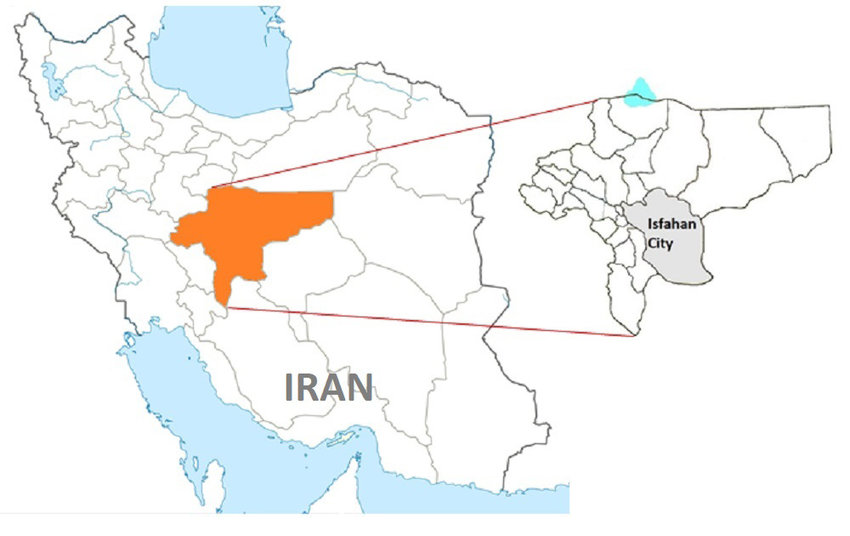
Located about 435 km south of Tehran, Isfahan is one of Iran’s top tourist destinations, offering the perfect combination of history, culture, art, traditional cuisine, and authentic Persian hospitality. Whether you are interested in architecture, photography, local handicrafts, or unforgettable cultural experiences, this Isfahan Travel Guide will help you discover the best attractions, local food, shopping, accommodation, and essential travel tips for your journey.
It’s no surprise that Isfahan has long been regarded as one of the jewels of Persia and remains one of the most unforgettable destinations in the Middle East.
Isfahan Weather & Best Time to Visit
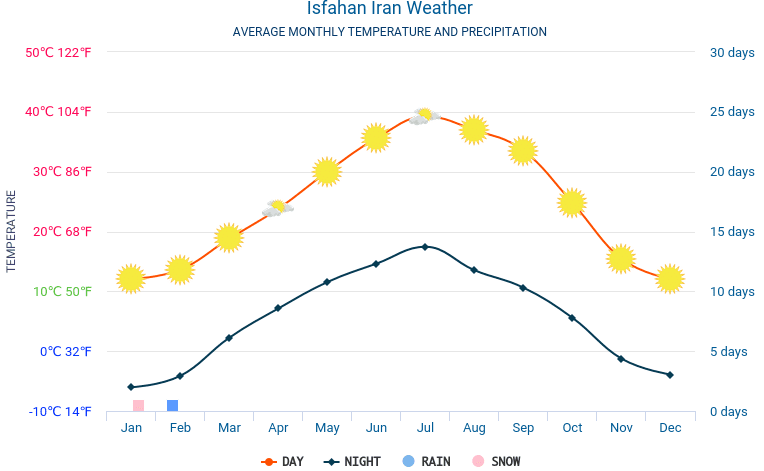
Isfahan is located in the central part of Iran, in a semi-desert region with a dry and temperate climate. Due to its geographical location, the northern and eastern parts of Isfahan province have a more desert-like climate, while the southern areas enjoy cooler weather because of their higher elevation.
Summers in Isfahan are generally hot and dry, with temperatures reaching around 40°C during the hottest days. Winters are usually cold, especially at night, while spring and autumn offer the most pleasant weather for exploring the city’s historical attractions and outdoor sites.
The best time to visit Isfahan is during spring (April to May) and autumn (September to November) when the weather is mild and comfortable for walking around famous landmarks such as Naqsh-e Jahan Square, historic bridges, and Persian gardens.
If you are looking for a more budget-friendly trip, winter can be a good option because there are fewer tourists and accommodation prices are often lower, although you should expect cooler temperatures.
Isfahan Attractions | Best Places to Visit in Isfahan
Naqsh-e Jahan Square (Imam Square) | The Heart of Isfahan
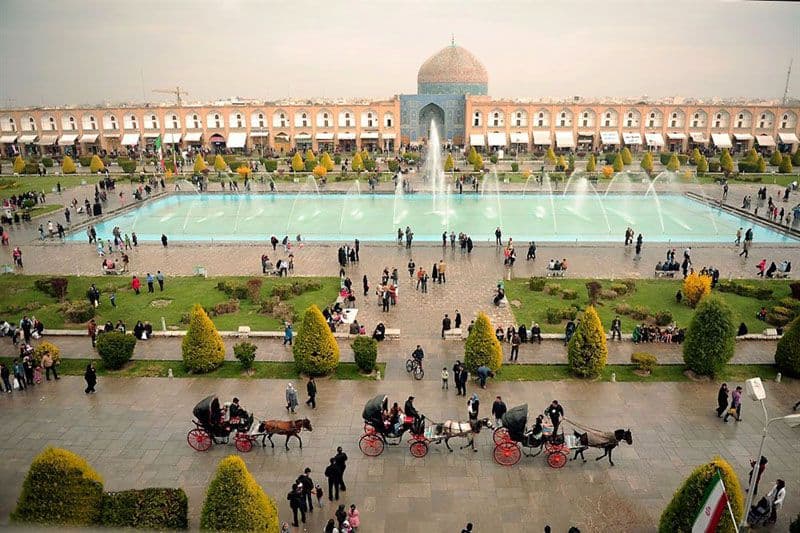
Naqsh-e Jahan Square, also known as Imam Square, is the most iconic landmark of Isfahan and one of the largest historic squares in the world. Located in the center of the city’s historic district, this magnificent square represents the glory of Persian architecture, art, and culture during the Safavid era.
Built in the early 17th century by the order of Shah Abbas I, Naqsh-e Jahan Square was once the center of royal ceremonies, polo matches, celebrations, and important public events. Today, it remains one of the most impressive gathering places in Iran, where visitors can admire stunning architecture, explore traditional bazaars, and experience the atmosphere of old Persia.
The two-story arcades surrounding the square are home to hundreds of shops selling famous Isfahan handicrafts, including miniature paintings, enamel work (Minakari), carpets, and traditional souvenirs.
One of the main reasons travelers visit Naqsh-e Jahan Square first is that some of Isfahan’s most important attractions are located around it, including:
- Imam Mosque (Masjed-e Shah), famous for its stunning tilework and magnificent dome.
- Sheikh Lotfollah Mosque, a masterpiece of Safavid architecture with unique interior decoration.
- Ali Qapu Palace, a six-story royal palace with a famous music hall and beautiful views over the square.
Thanks to its outstanding historical and architectural value, Naqsh-e Jahan Square was registered as a UNESCO World Heritage Site in 1979 and remains one of the must-see attractions in Iran.
Ali Qapu Palace | The Royal Mansion of the Safavid Era
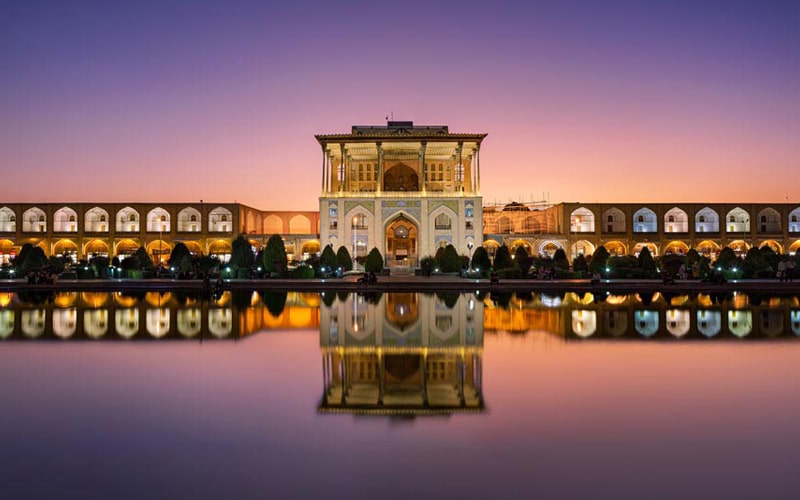
Ali Qapu Palace is one of the most remarkable examples of Safavid architecture in Isfahan. Located on the western side of Naqsh-e Jahan Square, this magnificent mansion was built as a royal residence and a place for welcoming foreign ambassadors and important guests during the reign of Shah Abbas I.
The palace is a six-story building with a height of approximately 48 meters. Each floor has its own unique architectural features, including beautiful decorations, wooden columns, and artistic details that reflect the elegance of Persian royal architecture.
One of the most fascinating parts of Ali Qapu Palace is the famous Music Hall (Sound Room) on the upper floor. The walls of this room contain special designs that helped improve the acoustics for musical performances and royal celebrations.
The highlight of visiting Ali Qapu Palace is its grand terrace, where visitors can enjoy a spectacular view of the historic square and experience the atmosphere of the Safavid royal court.
Today, Ali Qapu Palace is one of the must-visit attractions in Isfahan for travelers interested in Persian history, architecture, and art.
Sheikh Lotfollah Mosque | A Masterpiece of Persian Architecture
Sheikh Lotfollah Mosque is one of the most beautiful examples of Safavid architecture in Isfahan. Located on the eastern side of Naqsh-e Jahan Square, this elegant mosque was built between 1602 and 1619 AD by the order of Shah Abbas I as a private place of worship for Sheikh Lotfollah, a respected religious scholar and the king’s father-in-law.
Unlike many other mosques in Iran, Sheikh Lotfollah Mosque does not have minarets or a courtyard, which makes its design unique. The mosque is especially famous for its breathtaking dome, delicate tilework, and extraordinary interior decorations.
The dome of Sheikh Lotfollah Mosque is considered one of the finest achievements of Persian architecture. The intricate mosaic tiles and artistic patterns create a stunning visual experience, while the natural light entering the mosque highlights the beauty of the interior.
One of the most fascinating features of this dome is its changing colors throughout the day. Depending on the sunlight, the dome can appear in different shades, creating a magical atmosphere for visitors. The dome reaches approximately 32 meters above the ground and remains one of the most photographed landmarks in Isfahan.
Today, Sheikh Lotfollah Mosque is a must-see attraction for travelers who want to discover the beauty, precision, and creativity of Persian Islamic architecture.
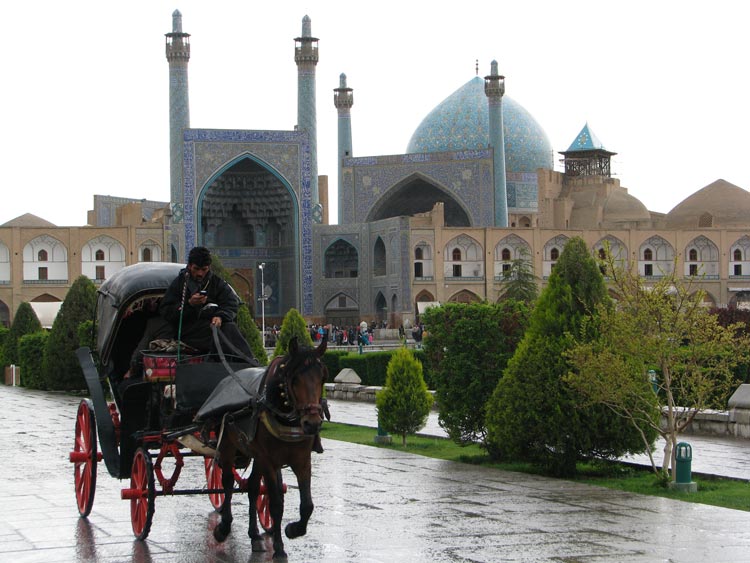
Imam Square in Isfahan
Qeysarie Bazaar | The Historic Marketplace of Isfahan
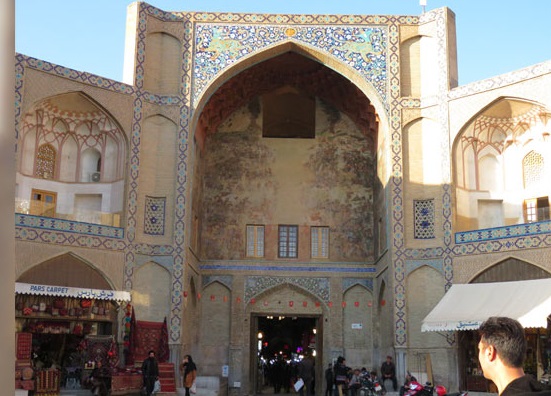
Qeysarie Bazaar, also known as the Grand Bazaar of Isfahan or Shahi Bazaar, is one of the most famous and historic markets in Iran. Located at the northern entrance of Naqsh-e Jahan Square, this traditional bazaar has been a major center of trade and handicrafts since the Safavid era.
Built in the 17th century during the reign of Shah Abbas I, Qeysarie Bazaar played an important role in the economic growth and commercial development of Isfahan. In the past, it was considered one of the most luxurious and important markets of the city, where merchants from different regions gathered to trade valuable goods.
Walking through the narrow corridors of the bazaar, visitors can discover a wide range of traditional Iranian handicrafts, including Persian carpets, miniature paintings, enamel work (Minakari), turquoise jewelry, textiles, and souvenirs.
The entrance gate of Qeysarie Bazaar is one of its most remarkable features. The ceiling of the entrance is decorated with paintings attributed to the famous Safavid artist Reza Abbasi, including scenes related to the royal court and battles of Shah Abbas. The beautiful tilework and historical decorations make this entrance one of the most impressive parts of the bazaar.
Today, Qeysarie Bazaar is not only a shopping destination but also a place where travelers can experience the traditional atmosphere, art, and culture of Isfahan.
Si-o-Se-Pol Bridge | The Iconic Symbol of Isfahan
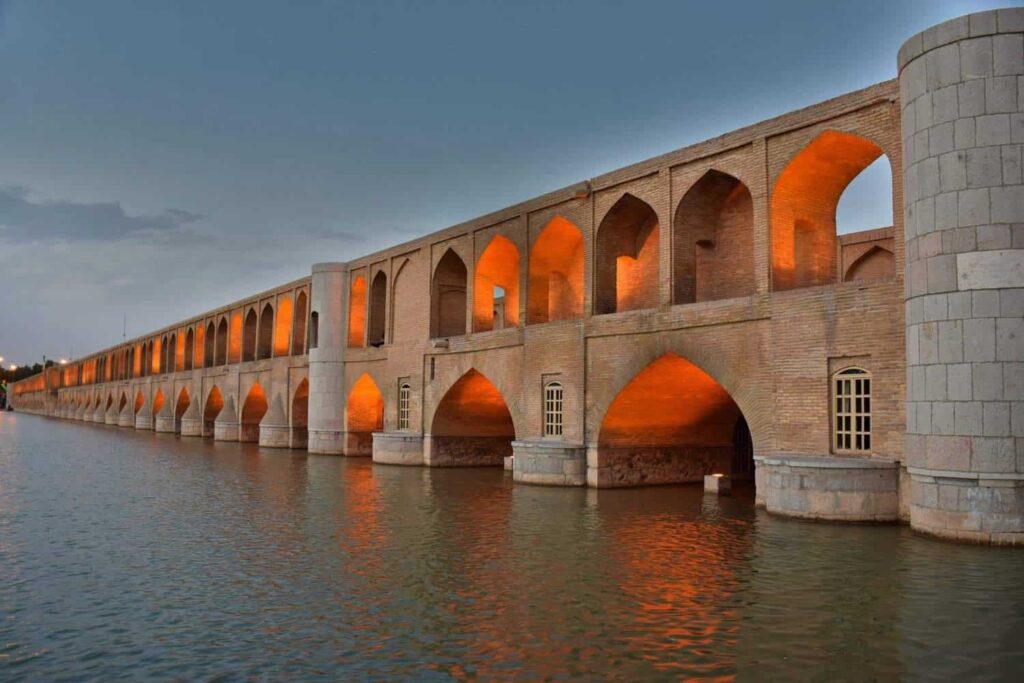
Si-o-Se-Pol Bridge, also known as the 33 Pol Bridge, is one of the most famous landmarks in Isfahan and a beautiful example of Safavid architecture. Built during the reign of Shah Abbas I in the early 17th century, this historic bridge stretches across the Zayandeh Rud River and has become one of the most recognizable symbols of the city.
The bridge is approximately 295 meters long and features 33 arches, creating a stunning view, especially when its lights reflect on the river at night. The combination of brick architecture, water, and traditional Persian design makes Si-o-Se-Pol one of the most charming places to visit in Isfahan.
Designed by the famous architect Allahverdi Khan and built under his supervision, the bridge was not only a practical structure for crossing the river but also a social gathering place where people came together to enjoy the scenery and atmosphere of the city.
Walking across Si-o-Se-Pol Bridge at sunset, enjoying the view of the river, listening to local musicians, and experiencing the lively atmosphere are among the favorite activities for both locals and travelers.
Today, Si-o-Se-Pol remains one of the must-see attractions in Isfahan and a perfect place to experience the beauty of Persian architecture and everyday life in the city.
Khajoo Bridge | A Safavid Architectural Masterpiece
Khajoo Bridge is one of the most beautiful historical bridges in Isfahan and a remarkable example of Safavid architecture. Built during the reign of Shah Abbas II in the 17th century, this historic bridge crosses the Zayandeh Rud River and is located in the eastern part of Si-o-Se-Pol Bridge.
The bridge is approximately 133 meters long and 12 meters wide and was constructed using traditional materials such as brick, stone, and mortar. Unlike many bridges that were only built for transportation, Khajoo Bridge was designed as a place for social gatherings, relaxation, and enjoying the beauty of the river.
One of the unique features of Khajoo Bridge is the central pavilion, which was used as a place for the Safavid king and royal guests to sit and enjoy the view. The combination of elegant arches, detailed brickwork, and the sound of flowing water creates a peaceful and memorable atmosphere.
Today, Khajoo Bridge is one of the favorite places for locals and travelers to walk, take photos, and experience the traditional atmosphere of Isfahan, especially around sunset and in the evening.
Vank Cathedral | The Armenian Heritage of Isfahan
Vank Cathedral, also known as the Holy Savior Cathedral, is one of the most unique historical attractions in Isfahan. Located in the New Julfa Armenian Quarter, this beautiful cathedral represents the rich cultural heritage of the Armenian community that settled in Isfahan during the Safavid era.
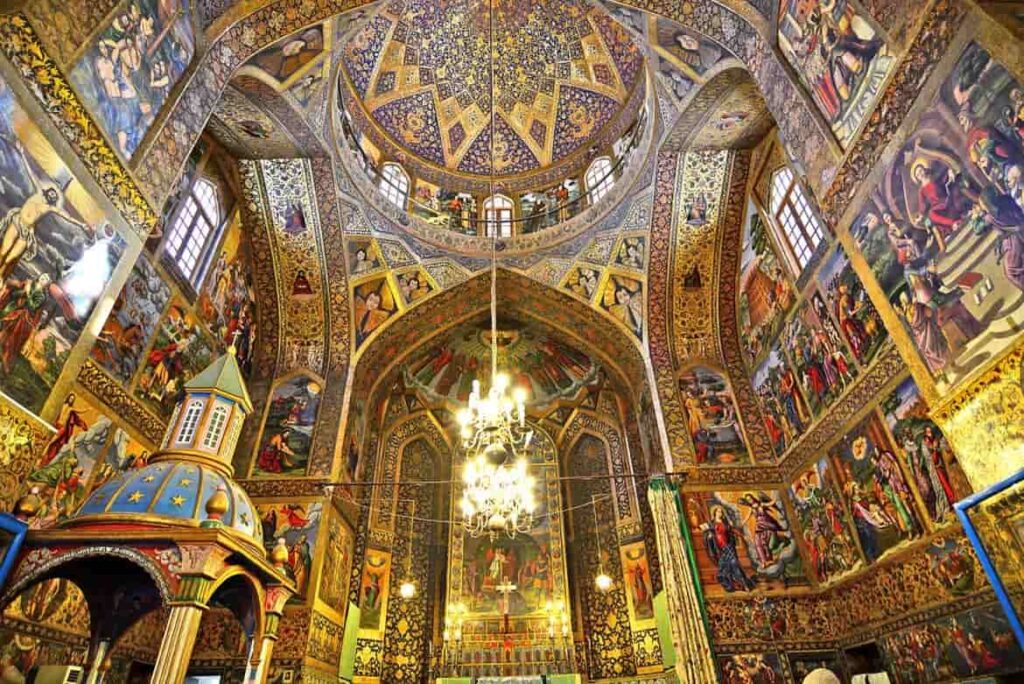
The cathedral was built during the reign of Shah Abbas II and features a fascinating combination of Iranian and Armenian architectural styles. Unlike traditional European churches, the exterior of Vank Cathedral has a simple brick design, while the interior is decorated with magnificent frescoes, golden details, and artistic paintings.
The walls and ceilings of the cathedral are covered with stunning murals depicting scenes from the life of Jesus Christ, biblical stories, and religious themes. These paintings show the influence of European artistic styles, especially Italian painting techniques, combined with Persian decorative elements.
The Vank Cathedral complex is not only a place of worship but also an important cultural center. Visitors can explore its valuable museum and library, which contain rare manuscripts, historical documents, religious objects, and collections related to the history of Armenians in Iran.
Today, Vank Cathedral is one of the must-visit attractions in Isfahan for travelers interested in history, art, architecture, and the peaceful multicultural atmosphere of New Julfa.
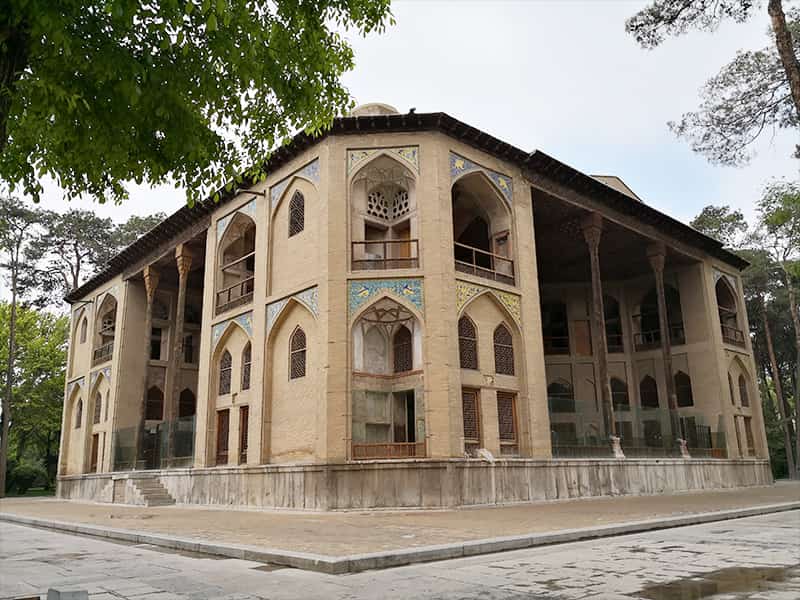
Hasht Behesht Palace | A Safavid Garden Mansion in Isfahan
Hasht Behesht Palace is one of the remaining masterpieces of the Safavid era in Isfahan, located along the historic Chahar Bagh Street. The name “Hasht Behesht” means “Eight Paradises” in Persian, reflecting the beauty and luxurious design of this royal mansion.
Built in the 17th century during the reign of Shah Suleiman Safavid, this elegant palace was designed as a private royal residence and a place for relaxation and entertainment. Due to its unique architecture and artistic decorations, it was once described as one of the most beautiful palaces in the world.
The two-story pavilion features a central hall surrounded by rooms and balconies, with beautiful tilework, paintings, and decorative elements that represent the creativity of Persian architects and artists. The open design of the palace allowed natural light and fresh air to flow through the building, creating a pleasant atmosphere for its residents.
Surrounded by a beautiful garden, Hasht Behesht Palace is a peaceful place to explore Persian architecture and experience the elegance of Safavid royal life. Today, it is one of the must-see historical attractions in Isfahan for travelers interested in art, history, and traditional Persian gardens.
Chehel Sotoun Palace | A Reflection of Safavid Art and Architecture
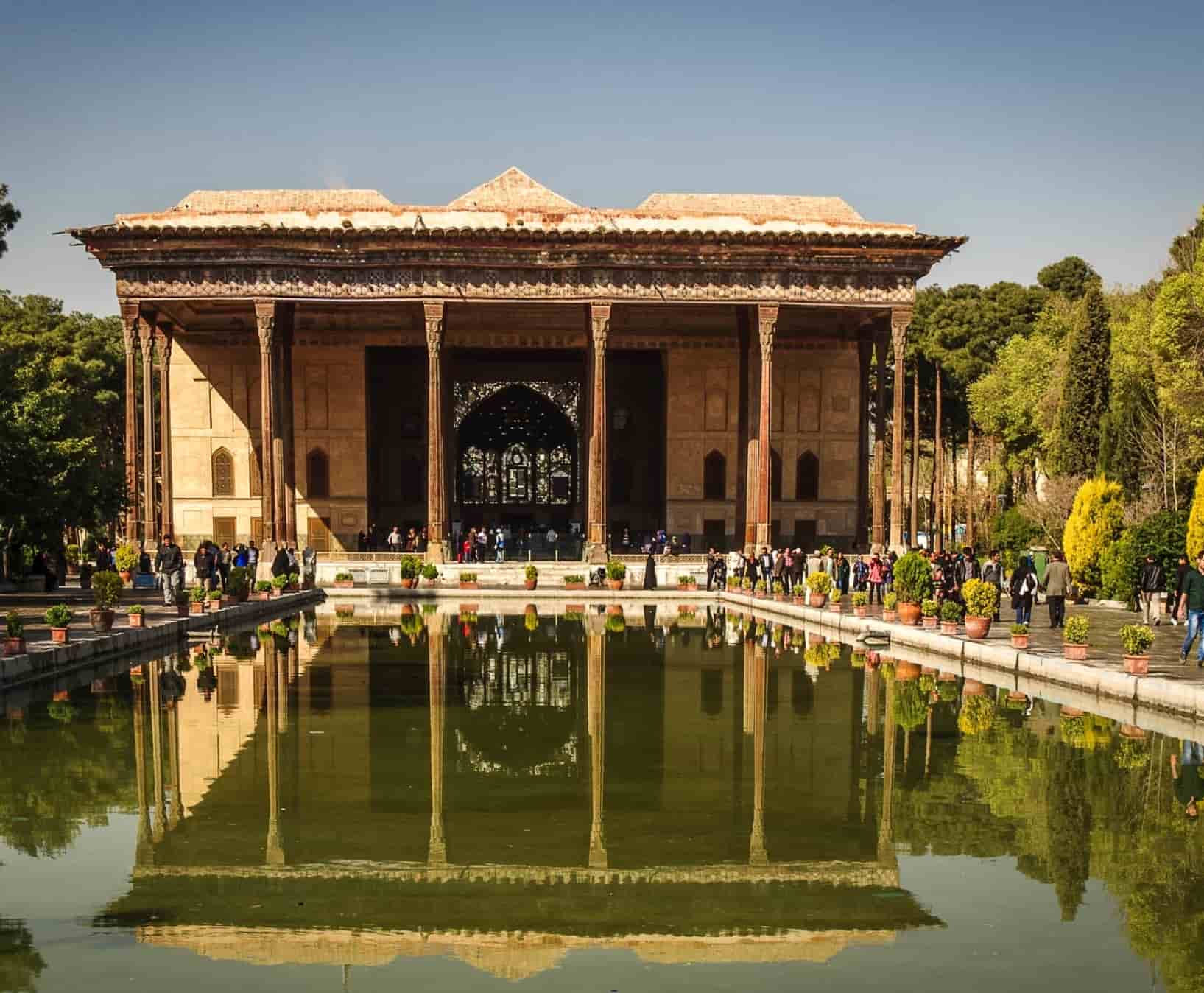
Chehel Sotoun Palace is one of the most remarkable historical attractions in Isfahan and a beautiful example of Safavid-era architecture. Located in the middle of a magnificent Persian garden, this elegant pavilion reflects the artistic creativity and royal lifestyle of the Safavid period.
The palace was originally built during the reign of Shah Abbas I and was later expanded by Shah Abbas II to be used for royal receptions, official ceremonies, and welcoming foreign guests. The name Chehel Sotoun, meaning “Forty Columns,” refers to the reflection of its 20 wooden columns in the water of the pool in front of the palace, which creates the image of forty columns.
The most impressive part of Chehel Sotoun Palace is its grand reception hall, decorated with beautiful frescoes, paintings, and mirror work. The large historical paintings on the walls depict important events from the Safavid era, including royal ceremonies, battles, and meetings with foreign ambassadors.
The palace combines elements of traditional Persian garden design with artistic influences from other cultures, creating a unique atmosphere. Today, Chehel Sotoun Palace and its beautiful garden are among the must-see attractions in Isfahan for visitors interested in Persian history, art, and architecture.
Monar Jonban (Shaking Minarets) | The Mysterious Landmark of Isfahan
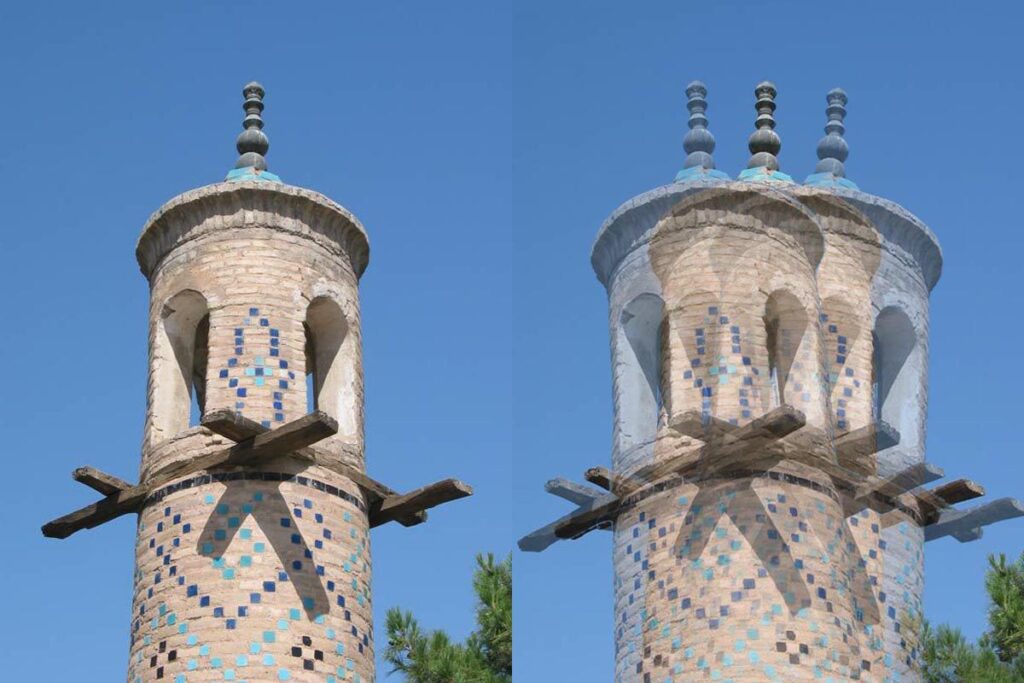
Monar Jonban, also known as the Shaking Minarets, is one of the most fascinating historical attractions in Isfahan. This unique monument is famous for its unusual architectural feature: when one of its minarets was traditionally shaken, the other minaret would also move.
The building was constructed during the Ilkhanid period in the 14th century and is known for its two connected minarets built on both sides of the tomb of Amu Abdullah Karladani, a respected mystic of that era. The exact reason behind the movement of the minarets has attracted the attention of architects and visitors for many years.
Because of concerns about preserving this valuable historical monument, shaking the minarets has been restricted for a long time. However, visitors can still admire the unique design, brickwork, and fascinating engineering of this remarkable structure.
Located outside the historical center of Isfahan, Monar Jonban is one of the most unusual places to visit for travelers interested in Persian architecture, history, and hidden wonders.
Imam Mosque (Shah Mosque) | A Masterpiece of Safavid Architecture
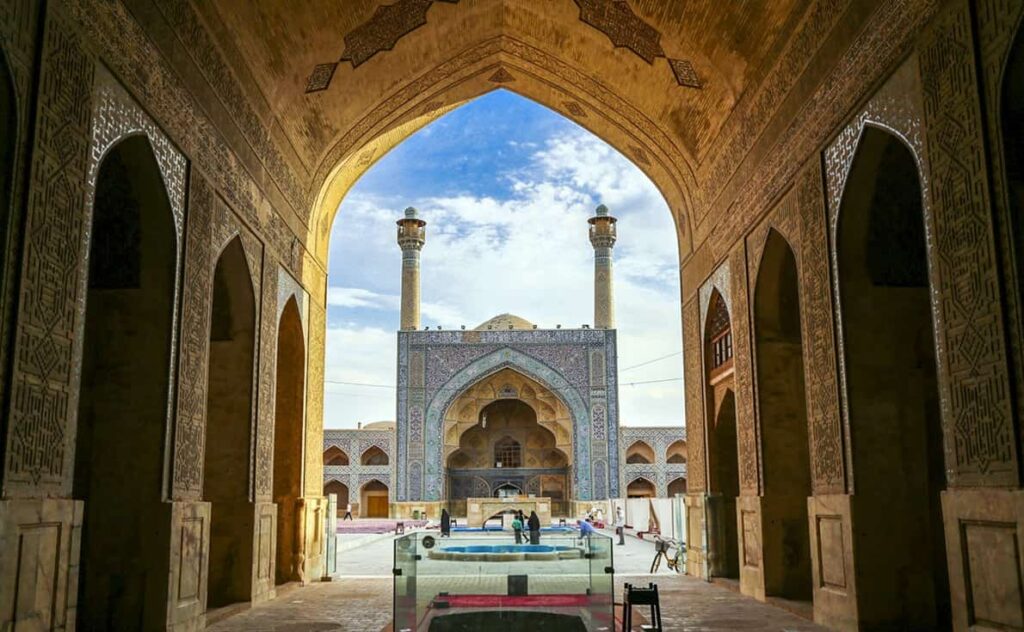
Imam Mosque, also known as Shah Mosque or Masjed-e Shah, is one of the greatest masterpieces of Persian Islamic architecture in Isfahan. Located on the southern side of Naqsh-e Jahan Square, this magnificent mosque was built during the Safavid era by the order of Shah Abbas I.
The construction of the mosque began in the 17th century and it is famous for its breathtaking seven-color tiles, impressive dome, elegant minarets, and detailed architectural decorations. Every part of the mosque reflects the artistic creativity and engineering skills of Persian architects of that period.
One of the most fascinating features of Imam Mosque is its perfect acoustic design. The main dome and interior spaces were carefully designed so that sounds could travel beautifully throughout the mosque.
Recognized as one of the most important examples of Iranian architecture, Imam Mosque is a UNESCO World Heritage Site and remains one of the must-see attractions in Isfahan for travelers interested in history, art, and architecture.
Isfahan Jameh Mosque | A Journey Through 1,000 Years of Persian Architecture
Isfahan Jameh Mosque, also known as Atiq Mosque or the Friday Mosque of Isfahan, is one of the oldest and most important historical mosques in Iran. Located in the old part of Isfahan, this magnificent mosque represents more than a thousand years of evolution in Iranian mosque architecture.
The mosque was originally established in the early Islamic period and was expanded and renovated during different historical eras, especially under the Seljuk, Ilkhanid, Timurid, and Safavid periods. Each dynasty added new architectural elements, creating a unique collection of Persian art and design.
Visitors can admire its impressive features, including the four-iwan layout, beautiful brickwork, elegant domes, and detailed tile decorations. The mosque was not only a religious center but also an important social and cultural gathering place throughout the history of Isfahan.
Due to its exceptional historical and architectural value, Isfahan Jameh Mosque was registered as a UNESCO World Heritage Site and is considered one of the most valuable monuments of Persian architecture.
Motamedi House (Malabashi House) | A Hidden Gem of Qajar Architecture
Motamedi House, also known as Malabashi House, is one of the beautiful historical houses of Isfahan that dates back to the Qajar period. This traditional mansion offers visitors a glimpse into the lifestyle, art, and architecture of old Persian houses.
The house consists of several sections, including an inner courtyard, outer courtyard, royal room, summer house, and three separate entrances. Like many traditional Iranian houses, its design was created around courtyards to provide privacy, natural light, and a comfortable atmosphere during different seasons.
One of the most remarkable features of Motamedi House is its beautiful artistic details, especially the delicate wood carving, traditional decorations, and architectural elements that reflect the craftsmanship of Iranian artists.
Visiting Motamedi House is a great opportunity to discover a quieter side of Isfahan beyond the famous squares and monuments, and experience the charm of traditional Persian residential architecture.
Famous Food to Try in Isfahan | What to Eat in Isfahan?
A trip to Isfahan is not complete without tasting its traditional foods and famous Persian sweets. Alongside its magnificent architecture and historical attractions, Isfahan has a rich culinary culture with unique dishes that reflect the traditions and lifestyle of the people of this historic city.
The local cuisine of Isfahan includes a variety of traditional stews, meat dishes, and sweet treats that have been prepared for generations. From the famous Beryani to traditional sweets such as Gaz and Polaki, Isfahan offers delicious flavors that every traveler should experience.
Whether you are exploring the historic markets or relaxing in a traditional restaurant, trying local Isfahan food is one of the best ways to discover the culture and hospitality of this beautiful Persian city.
In the following section, we introduce some of the most famous dishes and sweets that you should try during your trip to Isfahan.
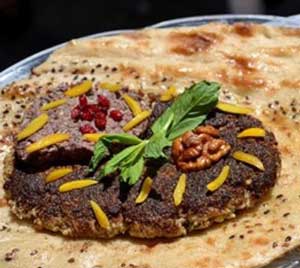
(Beryooni) | The Most Famous Food in Isfahan
Beryani, also known as Beryooni, is the most famous traditional dish of Isfahan and one of the foods that every traveler should try during a visit to the city.
This iconic Isfahan dish is made with minced lamb meat and lamb lung, cooked with traditional spices, and served on fresh bread with herbs, onions, and vegetables. Beryani is a rich and flavorful meal with a high calorie content, which is why it is usually enjoyed as a popular lunch dish.
Although it looks simple, preparing an authentic Beryani requires experience and traditional cooking skills. The unique taste of this dish represents the food culture and heritage of Isfahan.
Some of the well-known places to try authentic Isfahan Beryani include Hajj Mahmoud Shafaat Beryani, Azam Beryani, and Naqsh-e Jahan Restaurant.
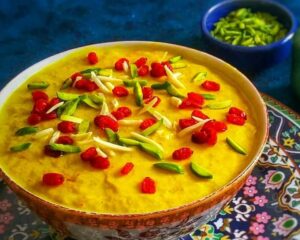
Khoresht Mast | The Unique Yogurt Dessert of Isfahan
Khoresht Mast (Yogurt Stew) is one of the most unique and traditional specialties of Isfahan. Despite its name, it is not actually a stew and is usually served as a dessert or appetizer rather than a main dish.
This famous Isfahan delicacy is made with ingredients such as thick yogurt, saffron, egg yolks, sugar, and tender lamb neck meat. The combination of sweet flavors, saffron aroma, and creamy texture creates a completely different taste experience that you will not find in many other parts of Iran.
Khoresht Mast is especially known for its beautiful golden color and elegant presentation, making it one of the traditional foods that represents the creativity of Isfahan’s cuisine.
One of the recommended places to try authentic Khoresht Mast in Isfahan is Shahrzad Restaurant, located on Chaharbagh Abbasi Street.
Besides its famous Beryani, Isfahan offers other traditional flavors that reflect the city’s rich culinary heritage. Local dishes such as Kaleh Joosh and various traditional stews are also popular among residents and visitors. Trying local cuisine in traditional restaurants is one of the best ways to experience the culture and hospitality of Isfahan.
Best Restaurants in Isfahan | Where to Eat in Isfahan
Shahrzad Restaurant | A Traditional Dining Experience in Isfahan
Shahrzad Restaurant is one of the most famous and well-established restaurants in Isfahan, known for its elegant traditional atmosphere, beautiful paintings, and mirror decorations. It is a popular choice among both locals and international travelers looking to experience authentic Persian cuisine.
The restaurant serves a variety of traditional Iranian dishes and international meals, and guests can enjoy their food in a charming atmosphere often accompanied by live music. Shahrzad Restaurant is especially famous for its delicious Khoresht Mast (Yogurt Stew), one of the unique specialties of Isfahan.
Thanks to its central location, the restaurant is easily accessible from some of Isfahan’s important attractions, including Chaharbagh Abbasi Street, Khajoo Bridge, Zayandeh Rud River, and Abbasi Hotel.
Address: Abbas Abad Street, Isfahan, Iran
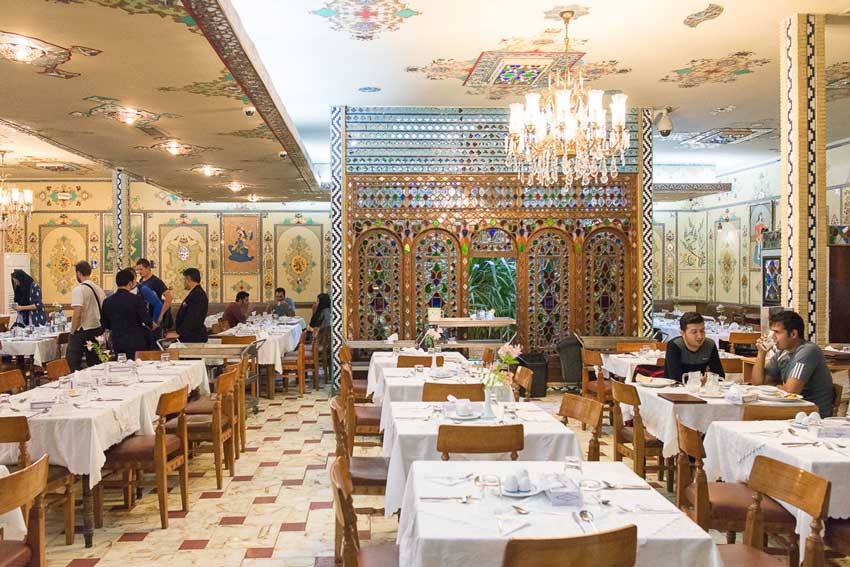
Khangostar Restaurant | A Popular Dining Choice in Isfahan
Khangostar Restaurant is one of the well-known restaurants in Isfahan and a popular choice among both locals and travelers. Known for its quality food, elegant atmosphere, and diverse menu, it is considered one of the more upscale dining options in the city.
One of the attractive features of Khangostar is its self-service salad and dessert buffet, which offers guests a variety of fresh options alongside their main meals.
Khangostar Restaurant has several branches in Isfahan, including a branch in the lobby of Jolfa Hotel, a branch on Atashgah Street, and another branch in Isfahan City Center. The City Center branch is a convenient option for visitors who prefer dining in a modern shopping and entertainment complex.
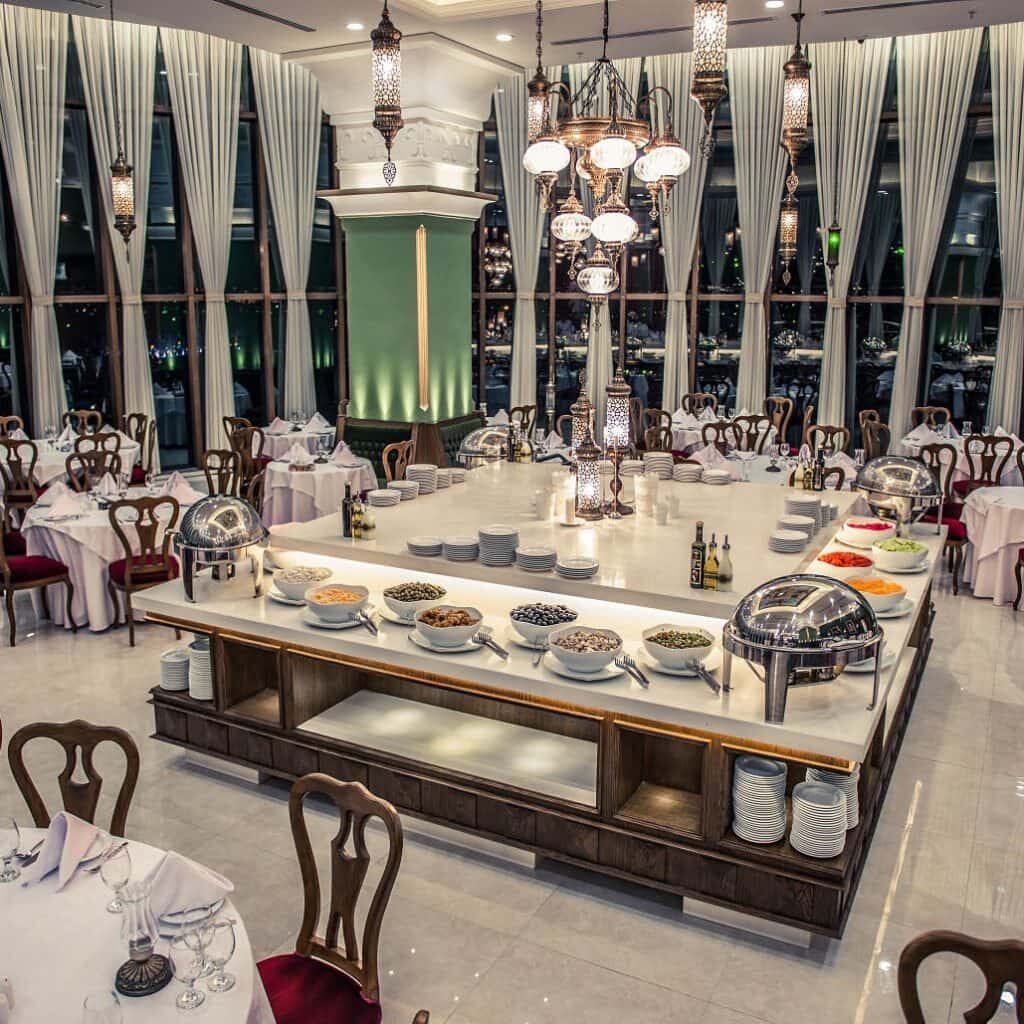
Hermes Cafe Restaurant | A Stylish Dining Experience in Isfahan
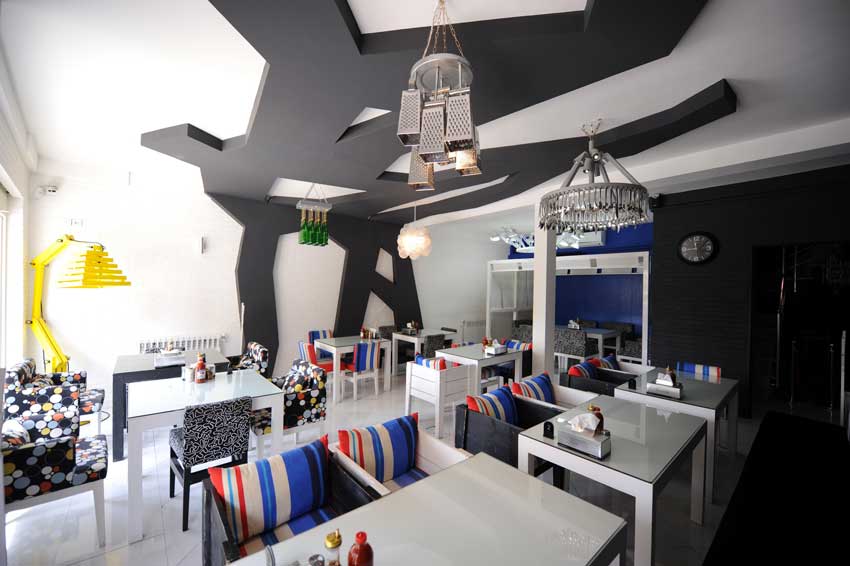
Hermes Cafe Restaurant is one of the most stylish cafes and restaurants in Isfahan, especially popular among travelers who appreciate modern design, architecture, and creative interior spaces.
The Jolfa Square branch is particularly famous for its attractive decoration and artistic atmosphere, making it a favorite place for visitors interested in design and photography. The combination of modern style and a cozy environment creates a different dining experience compared to traditional Persian restaurants.
Hermes offers a variety of international dishes, and some of its most popular choices include Caesar salad and pasta dishes. The restaurant has two branches in Isfahan: one near Jolfa Square in the historic New Julfa district and another at Isfahan City Center.
For travelers looking for a modern cafe experience after exploring Isfahan, Hermes Cafe Restaurant is a great place to relax and enjoy quality food and drinks.
-
More Cafes and Restaurants in Isfahan
Besides the famous restaurants mentioned above, Isfahan has many other cafes and dining places where travelers can enjoy local flavors, traditional drinks, and international cuisine.
For a traditional breakfast or a relaxing coffee experience, places such as Daie Ghafoor Coffee House, Radio Cafe on Chaharbagh Street, and Firuz Syrup House are popular choices among locals and visitors.
Other recommended restaurants in Isfahan include Jarchi Bashi, Jamneshin, Shabneshin, Khansalar, Sib, Zagros, Bastani, and Nikan, where guests can enjoy a variety of Persian and international dishes.
If you are looking for fast food options, City Center Food Court, Arses, Arabo, Night Pizza, and Pizza Pizza are good choices. For Italian cuisine lovers, restaurants such as Nan Doost and Zava offer enjoyable Italian-style meals.
Best Souvenirs from Isfahan | Isfahan Souvenirs and Handicrafts
Buying souvenirs is one of the most enjoyable parts of traveling to Isfahan. After exploring the city’s beautiful historical attractions, travelers can choose from a wide variety of traditional sweets, local foods, and handmade crafts to take home for their family and friends.
Isfahan is famous for its rich culture of art and craftsmanship. The city offers two main categories of souvenirs: edible souvenirs and traditional handicrafts.
Isfahan’s sweets are especially popular among visitors, and many travelers enjoy tasting different local treats during their trip before choosing their favorite ones as gifts.
What to Buy from Isfahan?
The most famous Isfahan souvenirs include traditional Persian sweets, artistic handicrafts, and handmade products that represent the history, creativity, and culture of this beautiful city.

Food Souvenirs of Isfahan:
Gaz | The Famous Traditional Sweet of Isfahan
Gaz is one of the most famous and beloved traditional sweets of Isfahan and a popular souvenir among travelers. This delicious Persian nougat is made with ingredients such as white nougat, pistachios, egg whites, and rose water, creating a unique sweet flavor and soft texture.
Gaz comes in different varieties, including pistachio Gaz, chocolate Gaz, coin-shaped Gaz, sliced Gaz, floured Gaz, bite-sized Gaz, and finger Gaz. Each type offers a different presentation and taste, making it easy for visitors to choose their favorite as a gift.
Among the well-known Gaz producers in Isfahan, Gaz Kermani is one of the popular brands recognized for its traditional quality and taste.
Buying Gaz from Isfahan is a wonderful way to take a piece of Persian culinary culture home.
Poolaki | Isfahan’s Traditional Shiny Candy
Poolaki is another famous traditional sweet and souvenir of Isfahan that is very popular among travelers. This thin, round, and shiny candy has a light texture and a pleasant taste, and it is traditionally served with Persian tea.
Poolaki is available in different flavors, including saffron, sesame, coconut, and other traditional varieties. Its simple yet delicious taste has made it one of the most common sweets that visitors buy as a souvenir from Isfahan.
Other famous traditional sweets of Isfahan include Sohan Asali (Honey Sohan), Shirini Bereshtouk, Shirini Korki, and Nan Ghorabi, which are also popular choices for travelers looking for authentic Persian sweets.
Isfahan Handicrafts | Traditional Art and Souvenirs
Isfahan is known as one of the main centers of Persian handicrafts and has a long history of producing beautiful handmade artworks. The city’s handicrafts are famous around the world for their quality, artistic details, and the creativity of Isfahan’s skilled craftsmen.
Buying handicrafts from Isfahan is a wonderful way to take a meaningful and lasting souvenir home. Each handmade product represents the culture, history, and artistic heritage of this beautiful city.
The best place to explore and buy traditional handicrafts in Isfahan is around Naqsh-e Jahan Square, where many shops and traditional markets offer a wide variety of handmade artworks. Walking through these historic bazaars, you can discover unique souvenirs created with patience, skill, and artistic passion.
Here are some of the most famous handicrafts you can buy from Isfahan:
Minakari (Vitreous Enamel) | The Colorful Art of Isfahan
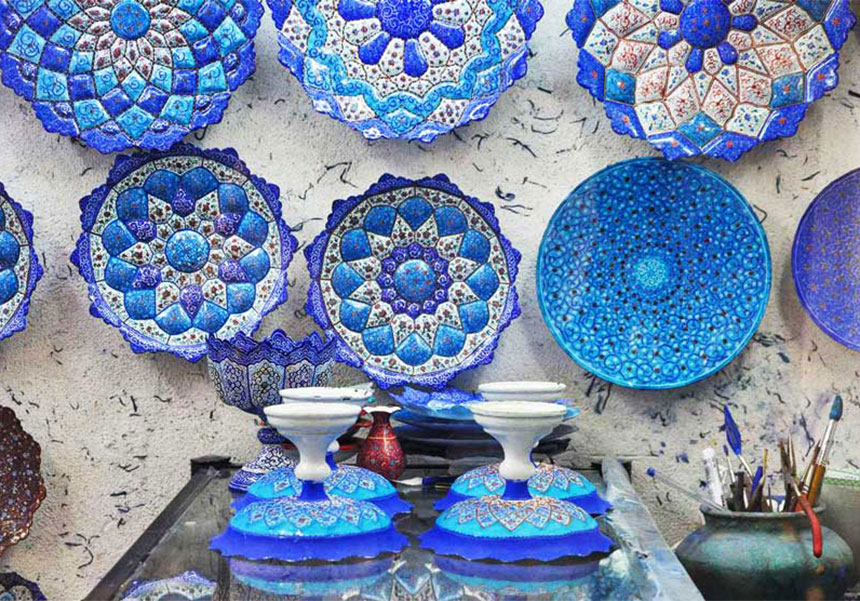
Minakari, also known as Vitreous Enamel, is one of the most famous handicrafts of Isfahan. This traditional art involves decorating metal objects such as copper, gold, silver, brass, and bronze with colorful enamel designs.
Most Isfahan Minakari artworks are created on copper and are famous for their beautiful blue and turquoise colors, although artists also use many other colors and patterns.
Enamel dishes, decorative plates, vases, and other handmade items are popular souvenirs among travelers who want to take a piece of Persian art and craftsmanship home.
Qalamkari | The Traditional Fabric Printing Art of Isfahan
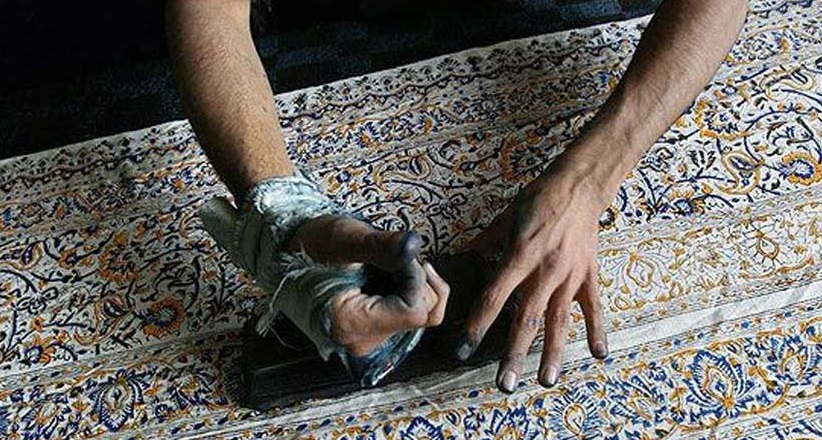
Qalamkari is one of the most beautiful and traditional handicrafts of Isfahan. This ancient art is based on printing colorful patterns on fabric using handmade wooden stamps.
In Qalamkari, skilled artists create detailed designs by pressing carved wooden blocks filled with natural colors onto different fabrics such as cotton, linen, and canvas. The combination of traditional patterns, Persian motifs, and vibrant colors makes each piece a unique work of art.
Qalamkari products include tablecloths, decorative fabrics, scarves, and other handmade items that can be beautiful and meaningful souvenirs from Isfahan.
Travelers can find Qalamkari artworks in traditional markets and handicraft shops, especially around Naqsh-e Jahan Square, and choose from many designs and colors as a memorable gift from their trip.
Khatam Kari | The Delicate Persian Marquetry Art
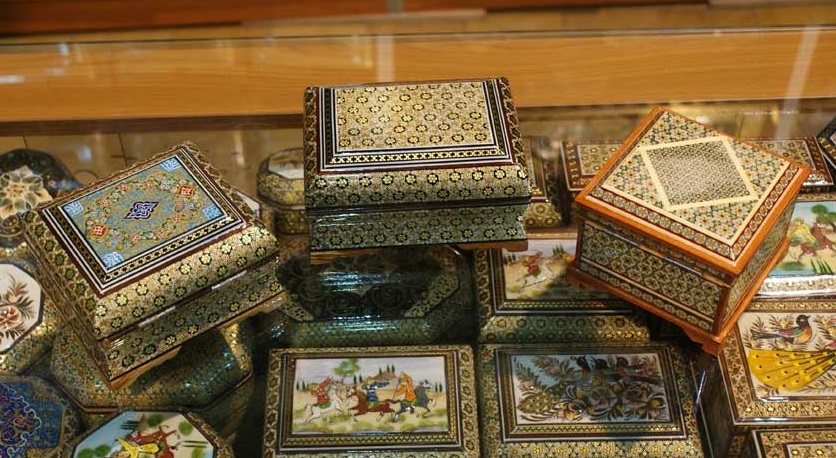
Khatam Kari is one of the most delicate and valuable Persian handicrafts that can be found in Isfahan. This traditional art involves creating beautiful geometric patterns by carefully arranging tiny pieces of wood, bone, and other materials on different surfaces.
Although the origin of Khatam Kari is often associated with Shiraz, this art reached great popularity and development during the Safavid era, when Isfahan became one of the main centers of Persian art and craftsmanship.
To create Khatam artworks, skilled artists use small triangular pieces of materials such as different types of wood, camel or horse bone, brass, aluminum, and sometimes gold and silver. These tiny pieces are placed together with great precision to form intricate geometric designs.
Khatam Kari products, including decorative boxes, frames, and traditional items, are among the most elegant souvenirs from Isfahan and represent the patience, creativity, and skill of Persian artists.
Qalamzani | The Persian Art of Metal Engraving
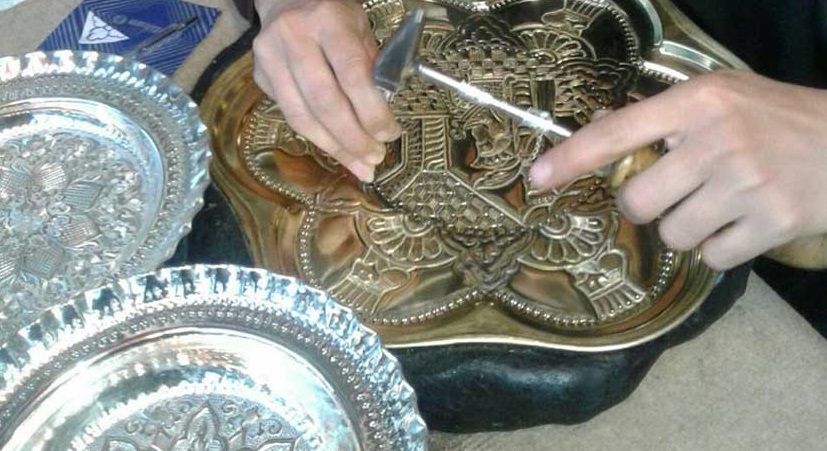
Qalamzani (Metal Engraving) is one of the most famous traditional handicrafts of Isfahan and a beautiful example of Persian artistic craftsmanship. In this ancient art, skilled artists create detailed patterns and designs by engraving and carving on metal surfaces.
Isfahan craftsmen mainly work on materials such as copper, brass, silver, and other valuable metals, using special tools to create delicate lines, traditional motifs, and decorative patterns.
The process of Qalamzani requires great patience, precision, and experience. Many handmade items, including decorative plates, trays, vases, and artistic objects, are created with this technique.
Qalamzani products are among the most popular souvenirs from Isfahan and are a perfect choice for travelers who want to take home a piece of authentic Persian art.
🛍️ Isfahan Bazaar and Shopping Centers | Where to Shop in Isfahan
Shopping in Isfahan is a wonderful experience for travelers who want to discover traditional Persian handicrafts, souvenirs, and modern shopping centers. The city offers a combination of historic bazaars with centuries-old traditions and modern malls with international brands and facilities.
🕌 Isfahan Historical Bazaar & Naqsh-e Jahan Bazaar
For a traditional shopping experience, the best places to visit are the Isfahan Historical Bazaar around Naqsh-e Jahan Square and the Grand Bazaar of Isfahan. Here, travelers can find a wide variety of Persian handicrafts, including Minakari, Qalamkari, Khatam Kari, carpets, traditional fabrics, and local souvenirs.
🎨 Isfahan Art Bazaar (Bazaar Honar)
Isfahan Art Bazaar is another great place to buy handmade Iranian artworks and support local artists. Visitors can find beautiful traditional crafts and unique gifts.
🏬 Isfahan City Center
For visitors who prefer modern shopping centers, Isfahan City Center is one of the largest and most popular shopping complexes in the city, offering shops, restaurants, entertainment facilities, and a comfortable modern environment.
🛍️ Other Shopping Centers and Markets
Other popular shopping places in Isfahan include Park Complex, Kowsar Commercial Complex, Martin Complex, Jolfa Shopping Center, Nojan Complex, Sepah Bazaar, Azadi Complex, and Enghelab Square.
Best Accommodation in Isfahan | Where to Stay in Isfahan
Finding the right accommodation is an important part of planning your trip to Isfahan. The city offers a wide range of hotels, from luxury hotels and traditional Persian houses to budget-friendly accommodations.
Many hotels in Isfahan are located near the city’s main historical attractions, making it easier for travelers to explore places such as Naqsh-e Jahan Square, Imam Mosque, Chehel Sotoun Palace, and Si-o-Se-Pol Bridge.
Whether you prefer a luxurious stay, a traditional Iranian house, or a comfortable hotel with a central location, you can find the best option according to your travel style and budget.
🏨 Explore our complete guide to the best hotels in Isfahan: https://iranjoytour.com/isfahan-hotels
Isfahan Travel Tips | Useful Information Before Your Trip
To make the most of your trip to Isfahan, it is helpful to know a few practical travel tips before visiting this beautiful city.
🕰️ Best Time to Visit Isfahan
Spring and autumn are the most pleasant seasons to explore Isfahan because of the comfortable weather. These seasons are ideal for walking around historical sites such as Naqsh-e Jahan Square and traditional bazaars.
🚶 Walking Around the Historic Center
Many of Isfahan’s famous attractions are located close to each other. Walking is one of the best ways to discover the city’s beautiful architecture, traditional markets, and hidden corners.
💳 Payment and Money
International credit cards are generally not accepted in Iran, so travelers should carry enough cash in Iranian currency. Some travel agencies and hotels can provide guidance for managing payments.
👗 Respect Local Culture
As in other cities in Iran, visitors should follow local customs and dress codes while exploring Isfahan.
📱 Internet Access
Wi-Fi is available in most hotels, cafes, and restaurants. Travelers can also use local SIM cards for easier internet access during their stay.
With its magnificent architecture, welcoming people, delicious cuisine, and rich artistic heritage, Isfahan is a city that offers unforgettable experiences for every traveler.