Shiraz Travel Guide

What to do and see in Shiraz? The Ultimate Shiraz Travel Guide

Welcome to Shiraz

Shiraz is one of the most beautiful and culturally rich cities in Iran, famous for its poetry, gardens, literature, and magnificent historical attractions. Located in the southwest of Iran, Shiraz welcomes travelers from all around the world who come to experience its unique Persian culture and timeless beauty.

From the stunning architecture of Nasir al-Mulk Mosque and the peaceful atmosphere of Eram Garden to the ancient wonders of Persepolis and Pasargadae nearby, Shiraz offers an unforgettable journey through Iran’s history, art, and traditions.

In this Shiraz travel guide, you can discover the best attractions, things to do, local food, and useful travel tips for exploring this fascinating city.

Let’s go to have a look at the natural and historical attractions of this city, its restaurants and also the souvenirs that you can get from Shiraz.

Shiraz Weather

Shiraz has a mild climate compared to many other cities in Iran. Located at an altitude of about 1,486 meters above sea level, the city enjoys pleasant weather during most of the year, making it a popular destination for travelers.

Due to its geographical location, different parts of Shiraz Province experience various climates, including temperate, hot, and dry conditions. However, the city of Shiraz itself is known for its comfortable weather, beautiful gardens, and seasonal attractions.

Spring is one of the best times to visit Shiraz, when the city’s famous gardens are full of flowers and the weather is ideal for sightseeing.

The average weather in the warmest month of the year (July) in Shiraz reaches 30 degrees Celsius and in the coldest month of the year (December) is measured at 5 degrees Celsius.

Spring in Shiraz

Spring is widely considered the best time to visit Shiraz. During this season, the city enjoys mild weather, cool breezes, and occasional light rain, with average temperatures around 17°C.

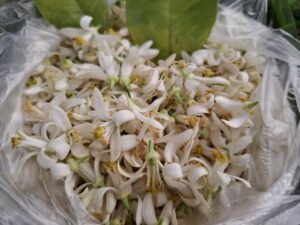
From late April to May, Shiraz reaches its peak beauty. The famous orange blossoms fill the city with their wonderful fragrance, and the gardens become full of flowers and colors. This is an ideal time to explore attractions such as Eram Garden, Nasir al-Mulk Mosque, and the historical sites around the city.

Although Nowruz holidays can be busy, traveling after the holiday season offers pleasant weather with fewer crowds and a more relaxed experience.


Summer in Shiraz

Summer in Shiraz is hot and dry, with temperatures usually reaching their highest levels in July and August. Average daytime temperatures can be around 30°C or higher.

However, summer can still be a good time to visit for travelers who prefer fewer crowds and lower travel costs. Early mornings and evenings are the best times for sightseeing during this season.


Autumn in Shiraz

Autumn is one of the best seasons to visit Shiraz after spring. The weather becomes cooler and more comfortable, with average temperatures around 20°C.

The pleasant climate, colorful nature, light rainfall, and beautiful views of Shiraz’s gardens create a peaceful atmosphere for walking through the city and exploring its attractions.


Winter in Shiraz

Winters in Shiraz are generally mild compared to many other parts of Iran. The coldest months can have temperatures around 4°C, especially at night, but the weather is usually suitable for sightseeing.

Winter is a good choice for travelers who prefer fewer tourists and a quieter experience while visiting the historical and cultural attractions of Shiraz.

Events & Festivals in Shiraz

Every year, May 5 (15 OrdibehShiraz Day celebration and orange blossoms in Shiraz, Iranesht in the Persian calendar) is celebrated as Shiraz Day, a special occasion dedicated to celebrating the history, culture, and beauty of this remarkable city.

May is one of the most beautiful months in Shiraz. During this time, the city is at its most vibrant, with blooming gardens, green landscapes, and the unforgettable fragrance of orange blossoms filling the streets and traditional gardens.

Various cultural events and festivals are held around Shiraz Day to introduce the city’s historical attractions, Persian traditions, local customs, and artistic heritage. For many travelers, visiting Shiraz in May offers a unique opportunity to experience the city’s culture and natural beauty at its best.

Shiraz Food Guide

Trying traditional dishes and local flavors is one of the most enjoyable parts of traveling to Shiraz. Besides its famous history, poetry, and gardens, Shiraz is also known for its delicious cuisine and unique local foods.

From traditional soups and rice dishes to refreshing drinks and local sweets, Shiraz offers a variety of flavors that reflect the culture and lifestyle of the city.

In this guide, you can discover the must-try Shirazi dishes and learn what to eat during your trip to this beautiful city.

4 Must _Try Dishes in Shiraz

Ash Sabzi Shiraz

Ash Sabzi is one of the most famous traditional dishes of Shiraz. While different types of Ash (Persian thick soup) are popular throughout Iran, Shirazi Ash Sabzi has a special place among locals and visitors.

This flavorful dish is prepared with fresh herbs, legumes, and other ingredients, creating a nutritious and delicious meal. Unlike many types of Ash that are usually served later in the day, Shirazi people often enjoy Ash Sabzi for breakfast.

Many local shops prepare this traditional dish in the morning, and it is especially popular on weekends when locals gather to enjoy a fresh bowl of Ash Sabzi. For an authentic experience, try this famous Shirazi breakfast at a traditional local restaurant.
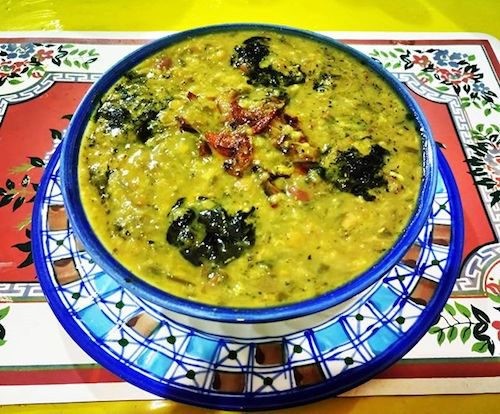
Ash sabzi shiraz- Travel to Iran


Kalam Polo Shirazi (Cabbage Rice with Meatballs)

Kalam Polo Shirazi is one of the most famous and beloved traditional dishes of Shiraz. Unlike other types of cabbage rice found in Iran, Shirazi Kalam Polo has a unique flavor and is prepared with a special combination of chopped cabbage, herbs, aromatic spices, and delicious meatballs.

This flavorful dish is usually served with the famous Shirazi Salad, creating a perfect combination of fresh and traditional flavors.

Trying Kalam Polo is a great way to experience the local food culture of Shiraz. For an authentic taste, you can enjoy this traditional dish at restaurants such as Parhami Traditional House, Haft Khan, or Sufi Restaurant.
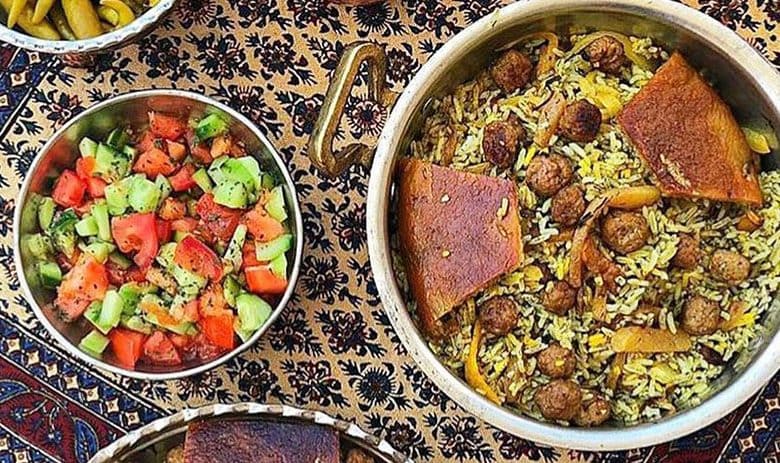
kalam polo-shiraz food


Dopiazeh Aloo (Potato and Onion Dish)

Dopiazeh Aloo is a simple yet flavorful traditional dish from Shiraz, made with potatoes, onions, and aromatic spices. Despite its simple ingredients, this local food has a delicious taste and is a popular homemade meal among locals.

This dish is usually served with bread and is often enjoyed as a light dinner. Because it does not contain meat, Dopiazeh Aloo is also a good option for vegetarian travelers who want to try authentic local flavors in Shiraz.

Trying simple traditional dishes like Dopiazeh Aloo offers visitors a chance to experience the everyday food culture of Shiraz.
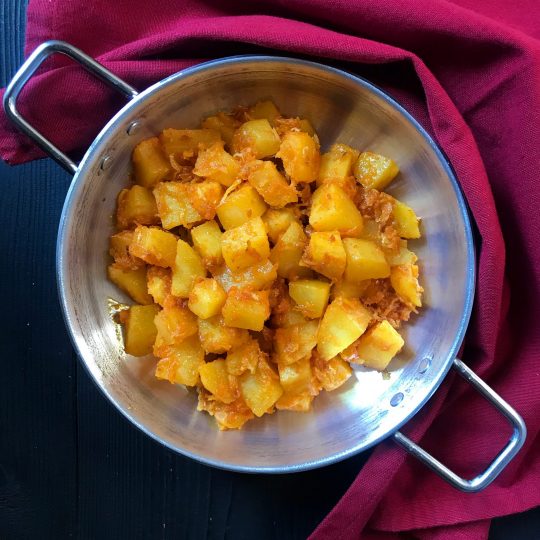
Do Piazeh Aloo (potatoes, onions, and spices), it’s a traditional dish from Shiraz.


Shekar Polo Shirazi (Sweet Rice)

Shirin Polo is one of the traditional sweet rice dishes found in Shiraz. This unique dish reflects the Persian love for combining sweet and savory flavors in traditional cuisine.

Prepared with rice, sugar, pistachios, almonds, orange peel, and saffron, Shirin Polo has a beautiful appearance, rich aroma, and delicate flavor. The colorful combination of ingredients makes it a special dish that is often enjoyed on festive occasions and traditional gatherings.

If you enjoy trying sweet and unique flavors, Shirin Polo is a memorable dish to experience during your trip to Shiraz.
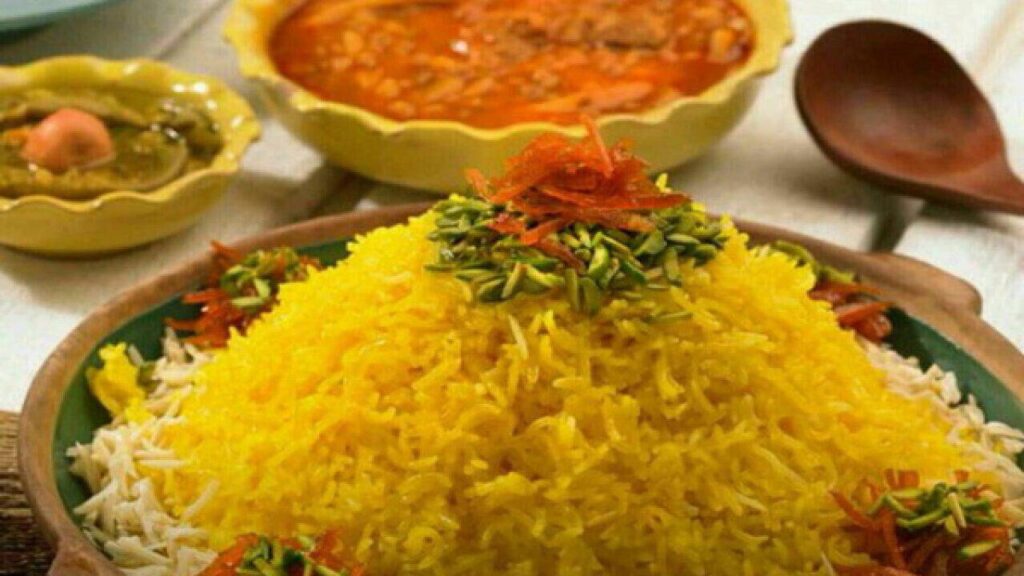
shekar polo shirazi-Shiraz food guide


Other Traditional Shirazi Foods

Besides the famous dishes mentioned above, Shiraz has many other traditional foods worth trying. Ghanbar Polo, with its unique sweet and sour flavor, is a great choice for travelers who enjoy discovering new tastes.

Other local dishes such as Dampokhtak Shirazi and Eshkeneh Shirazi are also part of the city’s traditional cuisine and offer a simple yet authentic taste of Shiraz’s food culture.

Exploring these local dishes is a wonderful way to experience the everyday flavors and culinary traditions of this historic city.


Best Desserts in Shiraz

Faloodeh Shirazi

Faloodeh Shirazi is one of the most famous and beloved traditional Persian desserts, and Shiraz is considered its original birthplace. This refreshing dessert is made with thin vermicelli noodles, rose water, and a sweet syrup, creating a unique combination of flavors and textures.

No trip to Shiraz is complete without trying authentic Shirazi Faloodeh. It is especially enjoyable during the warmer months when you can taste this refreshing local dessert while exploring the city.

For a memorable experience, you can try traditional Faloodeh and ice cream at popular local ice cream shops such as Baba Bastani in Shiraz.
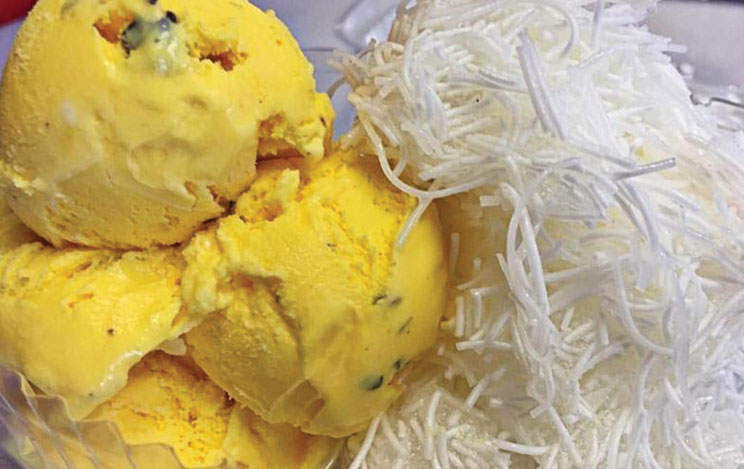
Falude and Traditional ice cream, Persian dessert


Koloocheh Masghati Shirazi

Koloocheh Masghati is one of the most popular traditional sweets and souvenirs of Shiraz. This delicious combination of soft Masghati and traditional Koloocheh reflects the rich dessert culture of the city.

Masghati is a delicate sweet made with ingredients such as starch, sugar, rose water, saffron, and nuts, while Koloocheh is a traditional Persian cookie with a unique texture and flavor. The wonderful aroma of saffron and the pleasant sweetness of these sweets make them a favorite among locals and visitors.

In Shiraz, these traditional sweets are often enjoyed with a cup of Persian tea, creating a simple and memorable local experience.
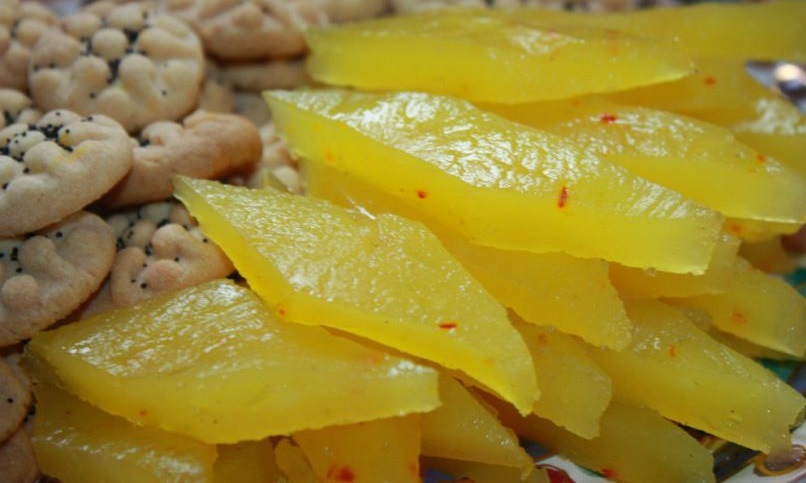
koolooche Masghati shiraz-shiraz food guide


Ranginak

Ranginak is a traditional Iranian dessert that is especially popular in the southern regions of Iran. This delicious sweet is made with dates, toasted wheat flour, walnuts, and aromatic ingredients, creating a rich flavor and unique texture.

With its natural sweetness from dates and the nutty taste of walnuts, Ranginak is a simple yet flavorful dessert that reflects the food traditions of southern Iran.

If you enjoy discovering traditional Iranian desserts, trying Ranginak during your journey is a great way to experience local flavors and Persian culinary culture.
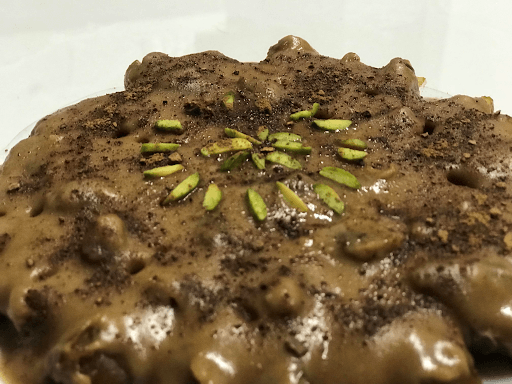


Best Restaurants in Shiraz

Shiraz is not only famous for its history and gardens but also for its delicious traditional cuisine. From historic restaurants serving authentic Shirazi dishes to modern cafés with beautiful views, there are many places where you can enjoy the local flavors of this charming city.

Parhami Traditional House

Parhami Traditional House is one of the most charming traditional restaurants in Shiraz, located in the historical area of the city. The building has a history of more than 200 years and offers a unique atmosphere surrounded by some of Shiraz’s most famous attractions, including Zinat Al-Moluk House, Karim Khan Citadel, Vakil Bazaar, Vakil Bath, and Nasir al-Mulk Mosque.

Here, you can enjoy authentic Shirazi dishes such as Kalam Polo Shirazi and Dopiazeh Aloo while experiencing the atmosphere of a traditional Persian house. Due to its popularity, it is recommended to reserve your table in advance.
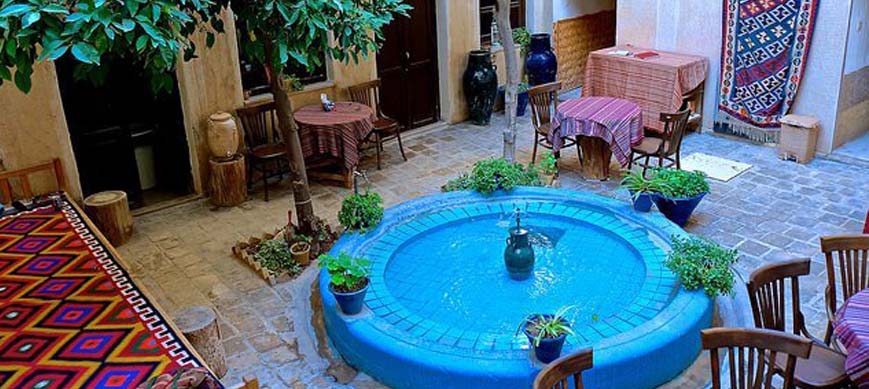
Parhami Traditional House


Sharzeh Restaurant

Sharzeh Restaurant is one of the oldest and most famous traditional restaurants in Shiraz, located in the historical area near Vakil Bazaar and Vakil Mosque. The restaurant offers a traditional Persian atmosphere with beautiful interior design and live music, creating an enjoyable dining experience for visitors.

Here, you can enjoy a variety of Persian dishes along with freshly baked hot bread, making it a great place to experience authentic Iranian cuisine in Shiraz.

Due to its popularity among travelers, it is recommended to reserve your table in advance, especially during busy travel seasons.
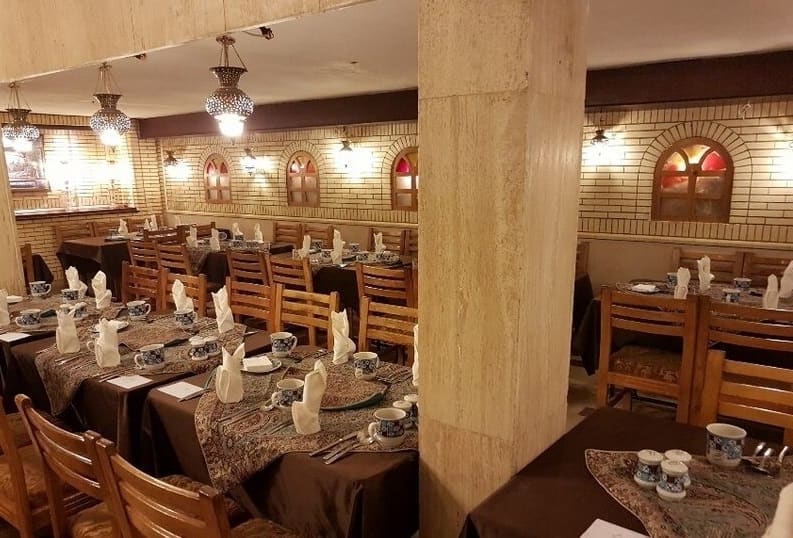
Sharze Restaurant-Shiraz food guide


Haft Khan Restaurant

The name of Haft Khan Restaurant is inspired by Shahnameh (The Epic of Persian Kings), one of the most famous Persian literary masterpieces. The name refers to the seven legendary stages that Rostam, one of the heroes of Shahnameh, passed through in his journey.

Located near Quran Gate and Shiraz Grand Hotel, Haft Khan is one of the most famous dining complexes in Shiraz. The restaurant offers a variety of dining experiences, including traditional Persian cuisine, international dishes, fast food, and cafés, making it a suitable choice for different tastes.

With its impressive architecture, different sections, and pleasant atmosphere, Haft Khan is not only a place to enjoy food but also an interesting cultural experience during your visit to Shiraz.
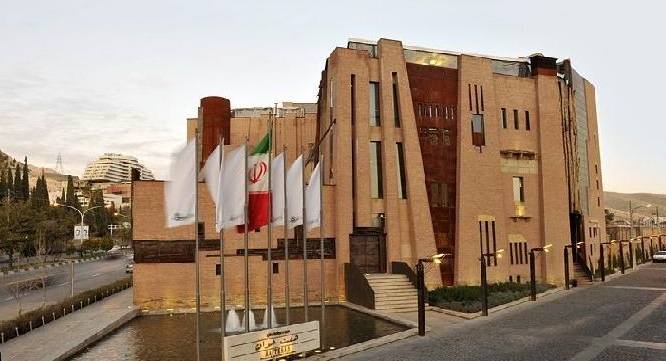
Haft Khan restaurant-Shiraz food guide


Our Recommended Restaurants in Shiraz

For travelers who want to experience authentic Persian and Shirazi cuisine, several restaurants in Shiraz are highly recommended.

Haft Khan Restaurant, Shater Abbas Restaurant, Parhami Traditional restaurant, Kateh Mas Restaurant, and Sufi Restaurant are great choices for enjoying traditional Iranian dishes in a pleasant atmosphere.

Among these restaurants, traditional houses such as Parhami and Kateh Mas offer a more authentic Persian dining experience, while places like Haft Khan provide a wider variety of food options in a modern and impressive setting.

Trying local dishes in these restaurants is a wonderful way to complete your Shiraz travel experience and discover the flavors of Persian cuisine.

What to Buy from Shiraz? | Best Shiraz Souvenirs

Buying souvenirs is one of the most enjoyable parts of traveling to Shiraz. The city is famous for its beautiful handicrafts, traditional arts, and delicious local products that represent the culture and creativity of the region.

Among the most popular Shiraz souvenirs and handicrafts, you can find inlay work (Khatam), wood carving, ceramic dishes, felt handicrafts, glassware, carpets, Jajim, Gabbeh, Kilim, handmade textiles, silverware, and copper handicrafts.

For food lovers, Shiraz also offers many delicious local souvenirs. Traditional sweets and flavors such as Masghati, Youkhe, lemon juice, and spring orange blossom products are among the best choices to take home for your family and friends.

Markets and Shopping Centers in Shiraz

Shiraz offers both traditional bazaars and modern shopping centers. For travelers looking for handicrafts and authentic local products, the traditional markets of the city are the best places to explore.

Modern shopping centers in Shiraz include Persian Gulf Complex, Aftab Fars Shopping Mall, Zeytoon Shopping Center, Setareh Shopping Center, Hamoon Shopping Mall, and Soltaniye Shopping Center, where visitors can find a variety of brands, clothing, and everyday products.

Here we introduce some of these places to you:

Quran Gate (Darvazeh-e Quran)

Quran Gate, also known as Darvazeh-e Quran, is one of the historical landmarks of Shiraz. It is located in the northeast of the city, between Chehel Magham Mountain and Babakohi Mountain, on the road connecting Shiraz to Marvdasht.

This historic gate dates back to the Dailamian period and was later restored during the Zand dynasty. During the Zand period, two valuable Qurans were placed on top of the gate, giving it its famous name.

According to Iranian tradition, travelers passing under the Quran were believed to receive blessings and protection during their journeys. For this reason, the gate became a symbolic landmark for people leaving or entering Shiraz.

Today, Quran Gate is one of the first attractions visitors see when arriving in Shiraz and remains a meaningful symbol of the city’s history and cultural heritage.

Hafez Tomb (Hafeziyeh)

Shiraz is known as the city of poetry, gardens, and literature, and much of its fame comes from its connection with great Persian poets. The tomb of Hafez, one of Iran’s most beloved poets from the 14th century, is one of the most important cultural attractions in Shiraz.

Known as Hafeziyeh, this beautiful garden and memorial complex attracts visitors who come not only to see the architecture but also to experience the peaceful atmosphere and deep connection with Persian poetry.

The design of Hafez Tomb has meaningful symbolism. The northern part of the complex represents the spiritual world, while the southern part symbolizes the material world. The eight stone columns surrounding the tomb refer to the 8th century, the period in which Hafez lived, and are also associated with the eight gates of paradise in Persian culture.

Many visitors come to Hafeziyeh to read Hafez’s poems, enjoy the beautiful garden, and experience a unique part of Iranian culture and tradition.

Saadi Tomb (Saadieh)

Saadi Tomb, also known as Saadieh, is the final resting place of Saadi, one of the greatest Persian poets and writers. Saadi spent the last years of his life in this area and was buried here after his death.

The peaceful atmosphere of Saadieh is one of the reasons why it has become one of the most popular cultural attractions in Shiraz. To reach the main tomb, visitors walk through beautiful gardens, green trees, and flower-filled paths, creating a relaxing and memorable experience.

The tomb features a beautiful turquoise dome supported by eight columns, with marble and blue stone decorations adding to its elegant design. The number eight has symbolic importance in Persian architecture and is also seen in the design of Hafez Tomb.

The garden surrounding Saadi’s tomb includes pools, streams, and traditional elements that reflect the beauty of Persian gardens. Beneath the complex, an old underground water channel (Qanat) supplies water to the fish pond, which has become a traditional tea house where visitors can relax and enjoy the atmosphere.

Visiting Saadieh offers travelers a chance to connect with Persian literature, history, and the peaceful spirit of Shiraz.

Shah Cheragh Shrine

The tomb of Shahcheragh the brother of Imam Reza is located in the center of Shiraz and is one of the most visited religious places and one of the centers of the pilgrimage tourism in the country.

Eram Garden

Shiraz is often called the city of gardens and flowers, and Eram Garden (Bagh-e Eram) is one of the most beautiful places to experience this side of the city. With its towering cypress trees, colorful flowers, peaceful pathways, and elegant Qajar-era mansion, Eram Garden feels like a quiet escape from the lively streets of Shiraz.

The garden follows the traditional Persian garden style, with water channels and carefully arranged greenery leading the eye toward the magnificent main mansion. Walking along its long, tree-lined paths is part of the experience—you gradually discover the mansion at the heart of the garden, surrounded by flowers and centuries-old trees.

The main mansion is a beautiful example of Qajar-era architecture, incorporating influences from earlier Zand and Safavid traditions. Its richly decorated façade, colorful tilework, ornate details, and traditional Persian design make it one of the most photogenic buildings in Shiraz.

Eram Garden is also home to a botanical garden, with a remarkable collection of plants from Iran and other parts of the world. The combination of architecture, water, greenery, and flowers makes it a wonderful place to slow down and simply enjoy the atmosphere of Shiraz.

Eram Garden is part of The Persian Garden, a UNESCO World Heritage Site that includes nine historic Persian gardens across Iran. For many visitors, it is one of those places where the beauty of Persian garden design becomes much more than something to photograph—you can actually feel the calm and harmony behind it.

Karim Khan Citadel

Standing proudly in the heart of Shiraz, Karim Khan Citadel (Arg-e Karim Khan) is one of the city’s most recognizable landmarks and a powerful reminder of the Zand dynasty. Karim Khan Zand ordered its construction in the 18th century, after choosing Shiraz as the capital of his kingdom.

At first glance, the massive walls and four round towers give the citadel the appearance of a military fortress. But step inside, and you discover a very different world. Arg-e Karim Khan was designed as both a royal residence and a fortified complex, with elegant rooms, courtyards, gardens, and water features creating a surprisingly peaceful atmosphere behind its imposing walls.

The rooms surrounding the central courtyard are decorated with beautiful Persian architectural details. One of the most captivating features is the stained glass windows, which transform sunlight into colorful patterns across the interiors. It is especially magical when the morning or afternoon light passes through the glass.

The citadel has also witnessed some difficult chapters in Shiraz’s history. During the Pahlavi period, it was used as a prison, and parts of the historic complex were damaged as a result. Extensive restoration has helped preserve this important monument for future generations.

Today, walking through Arg-e Karim Khan offers a chance to see two sides of Shiraz at once: the strength of a historic fortress and the elegance of a Persian royal residence. Take your time inside—you may find that the details of the windows, tiles, and quiet courtyard stay with you long after you leave.

Vakil Bazaar

Located in the historic heart of Shiraz, Vakil Bazaar is one of the city’s most atmospheric places to experience traditional Persian market life. It stands close to Karim Khan Citadel, making it easy to visit both landmarks together while exploring the old city.

The bazaar was developed during the Zand dynasty under the rule of Karim Khan Zand, as part of his ambitious plan to turn Shiraz into a prosperous and beautiful capital. Its distinctive architecture features brickwork, plaster, high vaulted ceilings, and a network of traditional shops and passageways.

As you walk through the bazaar, you will find shops filled with Persian carpets, spices, handicrafts, textiles, jewelry, copperware, and traditional souvenirs. The aromas, colors, sounds, and friendly atmosphere make wandering through its passages an experience in itself.

One of the best things about Vakil Bazaar is that you do not need to rush. Take your time, look up at the beautiful vaulted ceilings, explore the small shops, and let yourself get lost for a while in the atmosphere of old Shiraz.

For travelers visiting Shiraz for the first time, Vakil Bazaar is more than a place to shop—it is a chance to see, hear, smell, and feel a living part of the city’s history.

Vakil Mosque

Located in the historic center of Shiraz, Vakil Mosque is one of the finest surviving monuments from the Zand dynasty and an impressive example of traditional Iranian architecture. Built during the reign of Karim Khan Zand, the mosque forms part of the historic Vakil complex, together with Vakil Bazaar and Vakil Bath.

The mosque features two spacious iwans (porches), along with eastern and western prayer halls. Its carefully designed courtyards, elegant tilework, and harmonious proportions create a peaceful atmosphere that contrasts beautifully with the lively bazaar nearby.

The most breathtaking part of Vakil Mosque is the southern prayer hall, where 48 massive spiral columns stand in perfectly arranged rows. Their beautifully carved stone shafts create a striking visual rhythm, and the sheer scale of the hall makes it easy to understand why this is one of the most photographed parts of the mosque.

Take a moment to stand among the columns and look closely at the details of the architecture. The combination of stone, colorful tiles, light, and symmetry gives Vakil Mosque a quiet beauty that is easy to remember long after your visit.

Afif Abad Garden

Afif Abad Garden (Bagh-e Afif Abad) is one of Shiraz’s historic Persian gardens, offering a peaceful combination of architecture, greenery, and history. The garden dates back to the Safavid period and was later developed and renovated during the Qajar era.

The elegant central mansion that visitors see today was built in the Qajar period by Mohammad Khan Qavam-ol-Molk, a member of the influential Qavam family of Shiraz. The building combines traditional Persian architectural elements with European influences, creating a distinctive and graceful appearance.

Today, Afif Abad Garden is also known as the Afif Abad Military Museum, which houses an interesting collection of historic weapons and military artifacts. The museum adds another layer of history to a place that already reflects several important periods of Iranian architecture.

Walking through the garden, surrounded by mature trees, flowers, and traditional Persian landscaping, offers a welcome break from the busy city. If you enjoy historic houses, Persian gardens, and places where architecture and history come together, Afif Abad Garden is well worth adding to your Shiraz itinerary.

Nasir-ol-Molk Mosque

Nasir-ol-Molk Mosque, also known as the Pink Mosque, is one of the most beautiful and photographed historic mosques in Shiraz. Located in the historic neighborhood near Shah Cheragh, this Qajar-era masterpiece is famous for its extraordinary combination of colorful stained glass, intricate tilework, and elegant Persian architecture.

The mosque was commissioned by Mirza Hasan Ali Nasir-ol-Molk, a prominent figure of the Qajar period, and its construction took place in the late 19th century. The complex includes a mosque, courtyard, traditional architectural spaces, and other historic elements that reflect the grandeur of Qajar-era Shiraz.

The real magic begins in the winter prayer hall (Shabestan). Visit in the morning, when sunlight streams through the colorful stained-glass windows and projects shades of pink, blue, green, yellow, and red across the floor and columns. For a few moments, the entire prayer hall seems to glow with color.

This is why many travelers remember Nasir-ol-Molk not simply as a historic mosque, but as one of the most dreamlike places in Iran. Stand quietly inside as the light moves across the room, and you will understand why this mosque has become one of the unforgettable symbols of Shiraz.

Travel tip: Morning is the best time to visit if you want to see the famous stained-glass light at its most spectacular. The exact quality of the light depends on the season and weather, so arriving early gives you the best chance of experiencing its full beauty.

Delgosha Garden (Bagh-e Delgosha)

Delgosha Garden (Bagh-e Delgosha) is one of the historic Persian gardens of Shiraz, located near the Tomb of Saadi. With its long history, lush greenery, fragrant citrus trees, flowing water, and peaceful atmosphere, it is one of the loveliest places in Shiraz to slow down and enjoy the beauty of nature.

The garden was particularly important during the Safavid period, when it was regarded as one of the notable gardens around Shiraz. Its traditional Persian layout combines water, trees, pathways, and carefully designed green spaces to create a sense of balance and tranquility.

As you enter, rows of orange and citrus trees line the pathways, while fountains and streams add the refreshing sound of running water. Tall trees provide shade, and the occasional sound of birds makes the garden feel wonderfully removed from the noise of the city.

Take a slow walk through the garden, breathe in the fragrance of the citrus trees, and listen to the water moving through the channels. Delgosha is not a place you need to rush through—it is a place to pause, breathe, and let Shiraz unfold at a gentler pace.

Its location near Saadi’s Tomb also makes it easy to combine the garden with a visit to one of Shiraz’s most important literary landmarks.

Where to Stay in Shiraz