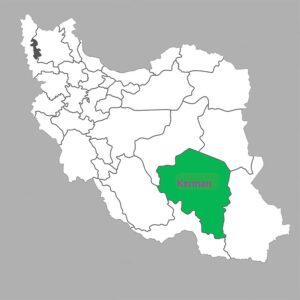
Kerman Travel Guide | All about Kerman
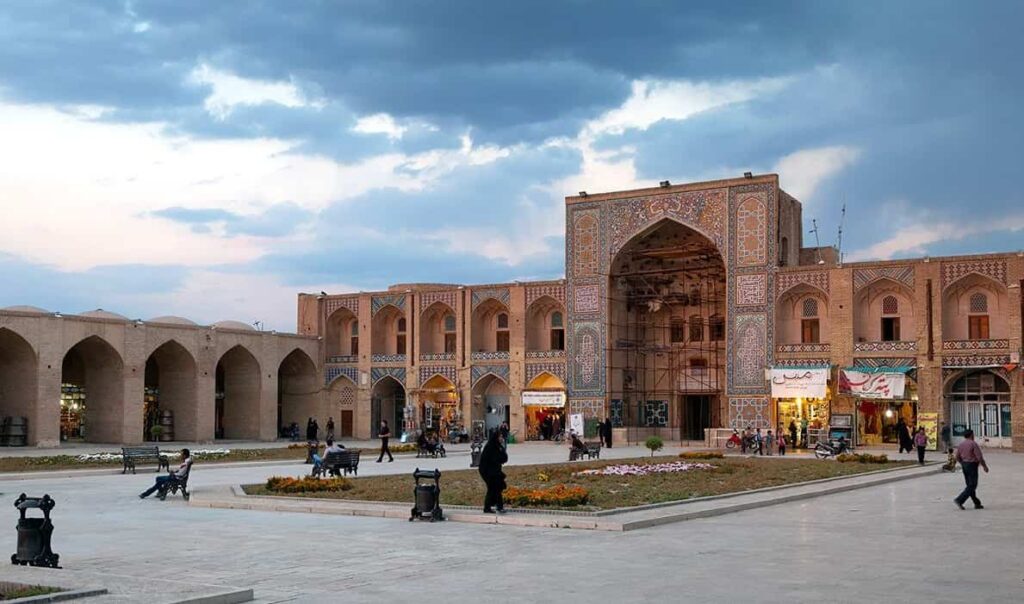
Ganj Ali Khan Complex
The Ganj Ali Khan Complex is one of the most important historical attractions in Kerman. Located in the old city center, this impressive complex dates back to the Safavid era and is registered as one of Iran’s national heritage sites.
Built around the beautiful Ganj Ali Khan Square, the complex includes several historic buildings, such as the Ganj Ali Khan Bazaar, traditional bathhouse, caravanserai, mosque, and mint. Each part reflects the unique architecture and lifestyle of the Safavid period.
The Ganj Ali Khan Bazaar is one of the most fascinating traditional markets in Kerman. Stretching from Arg Square to Mirza Reza Kermani Street, the bazaar features beautiful brickwork, traditional shops, and an authentic atmosphere. Even if you are not planning to shop, walking through its historic alleys is a memorable experience.
The Ganj Ali Khan Bathhouse, with its detailed decorations and traditional design, has been transformed into an anthropology museum where visitors can learn more about Iranian culture and daily life in the past. The Ganj Ali Khan Mint is also a coin museum today, displaying a collection of historical coins from different periods of Iran.
Vakil Bath
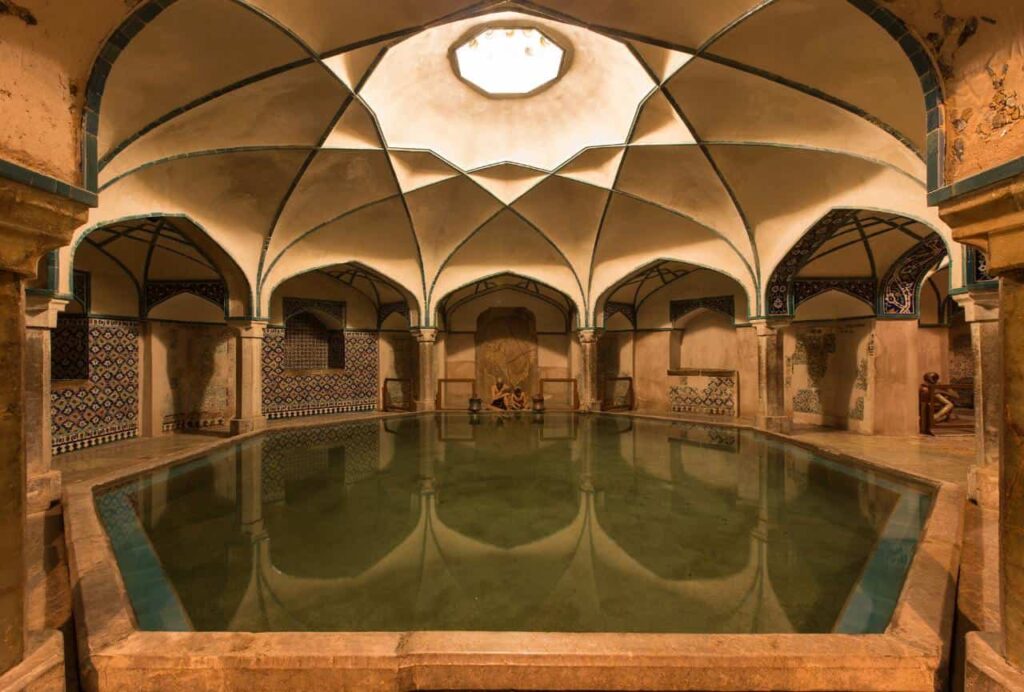
Vakil Bath is one of the historical attractions in Kerman’s old city. Built in 1280 AH, this traditional bathhouse features beautiful architectural elements inspired by the Zand and Qajar periods.
Like many historic Persian bathhouses, Vakil Bath reflects the social and cultural traditions of the past, with its elegant decorations, tiled walls, and traditional design.
Today, the bathhouse has been transformed into a traditional teahouse where visitors can relax and experience local Kermani flavors. It is a great place to enjoy traditional drinks and take a break while exploring the historic attractions of Kerman.
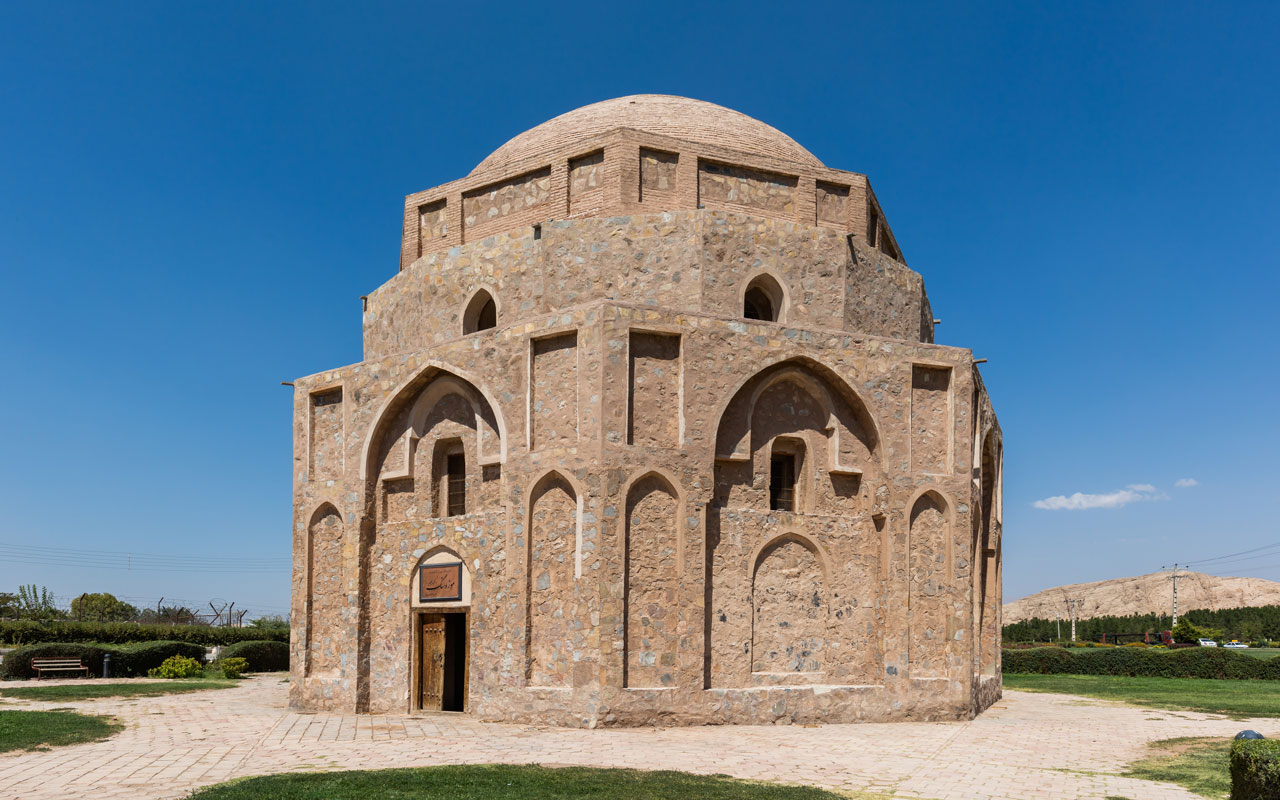
Jabalieh Dome (Gonbad-e Jabaliye)
The Jabalieh Dome, also known as Gonbad-e Jabaliye, is one of the most unique historical monuments in Kerman. This mysterious stone structure is believed to date back to the Sassanid era, although its exact origin and purpose remain uncertain.
Located in the eastern part of Kerman near Pardisan Park, the dome is the only stone monument of its kind in the city. Its impressive stone architecture and octagonal design make it a fascinating attraction for history and architecture enthusiasts.
Today, the interior of the Jabalieh Dome houses a stone museum, where visitors can see a collection of historical stone artifacts and learn more about the region’s ancient heritage.
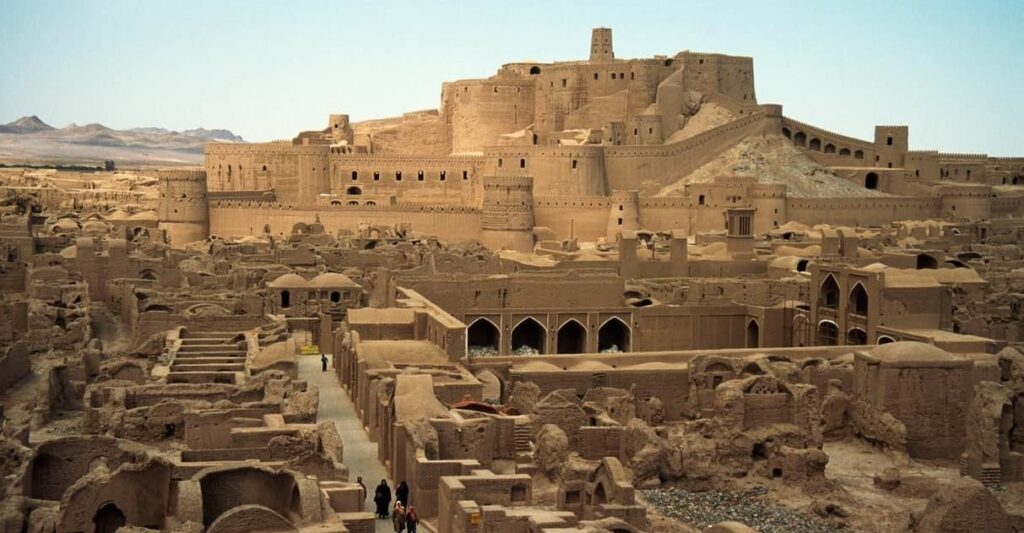
Arg-e Bam (Bam Citadel) | A Jewel in the Heart of the Desert
Arg-e Bam, also known as Bam Citadel, is one of the most famous historical attractions in Kerman Province. Located near the city of Bam, southeast of the Lut Desert, this ancient adobe fortress is one of the most impressive examples of traditional Persian architecture.
Recognized as the largest adobe structure in the world, Bam Citadel showcases the remarkable skills of ancient builders who created a complete fortified city using mud bricks. The complex includes residential areas, a bazaar, a mosque, military sections, and the governor’s quarters.
Bam Citadel is listed as a UNESCO World Heritage Site and is considered one of Iran’s most valuable cultural landmarks. Its unique architecture, ancient history, and location in the heart of the desert make it a must-visit destination for travelers exploring Kerman Province.
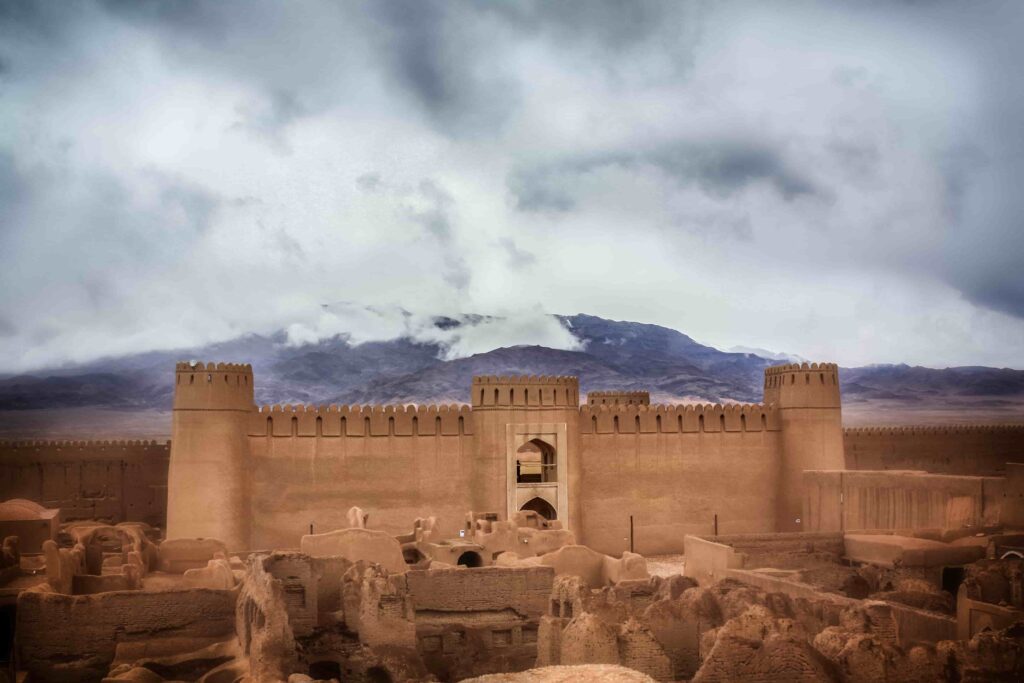
Rayen Citadel | An Ancient Adobe Fortress Near Kerman
Rayen Citadel is one of the most remarkable historical attractions in Kerman Province. This ancient adobe fortress is believed to date back to the Sassanid period and is one of the best-preserved examples of traditional Iranian desert architecture.
Built entirely from mud bricks and clay, Rayen Citadel has a similar architectural style to the famous Bam Citadel. After Bam Citadel, it is considered one of the largest adobe structures in Iran and offers visitors a fascinating glimpse into the history, lifestyle, and defensive architecture of ancient Persian cities.
Located on the slopes of the Hezar Mountains at an altitude of around 2,200 meters, Rayen Citadel enjoys a pleasant climate compared with many desert areas of the region.
The citadel has an almost square layout and is surrounded by high defensive walls and several watchtowers. The walls, which rise more than 10 meters in some parts, and its single entrance on the eastern side were designed to protect the city from possible attacks. Today, visiting Rayen Citadel is one of the highlights of any trip to Kerman.
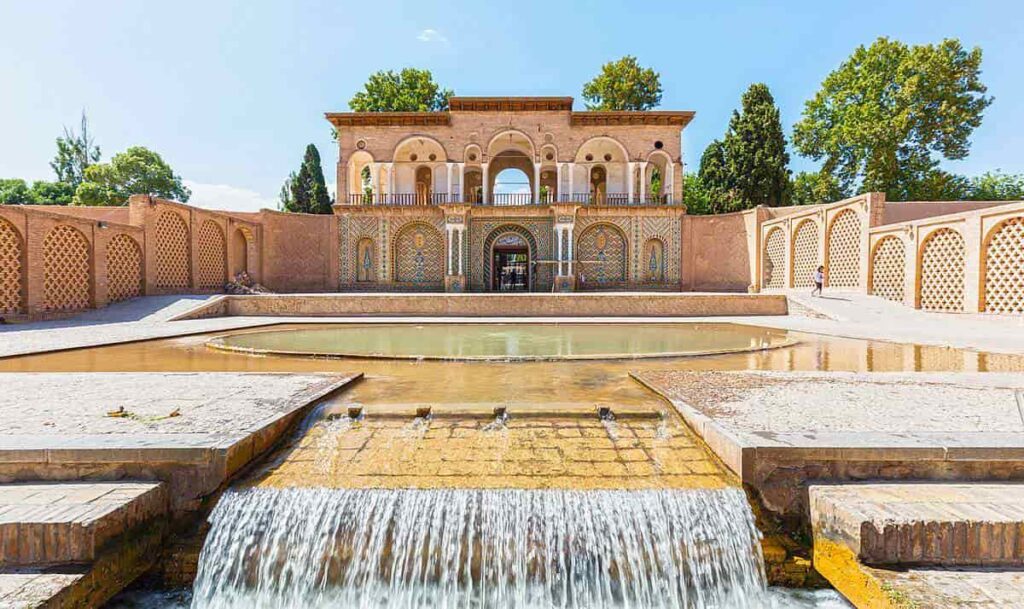
Shazdeh Garden (Prince Garden) | A Persian Garden in the Heart of the Desert
Shazdeh Garden, also known as Prince Garden, is one of the most beautiful attractions in Kerman Province. Located about two kilometers from the historic town of Mahan, this stunning Persian garden dates back to the Qajar era and is one of Iran’s six Persian gardens registered as UNESCO World Heritage Sites.
The garden is famous for its breathtaking contrast between lush greenery and the surrounding desert landscape. Flowing streams, tall trees, fountains, and the elegant entrance pavilion create a peaceful atmosphere that makes Shazdeh Garden a unique destination in southeastern Iran.
Many visitors wonder how such a beautiful garden can exist in the middle of a desert. The water supply comes from the Tigran River and local qanat (underground water channels), with the river receiving water from the snow-covered heights of Mount Jupar. The natural slope of the land allows water to flow through the garden from higher areas to lower sections, providing both irrigation and a beautiful visual effect.
The design of Shazdeh Garden, including its traditional layout, pavilion architecture, and interior decorations, reflects the elegance of Persian garden design and the lifestyle of the Qajar period.
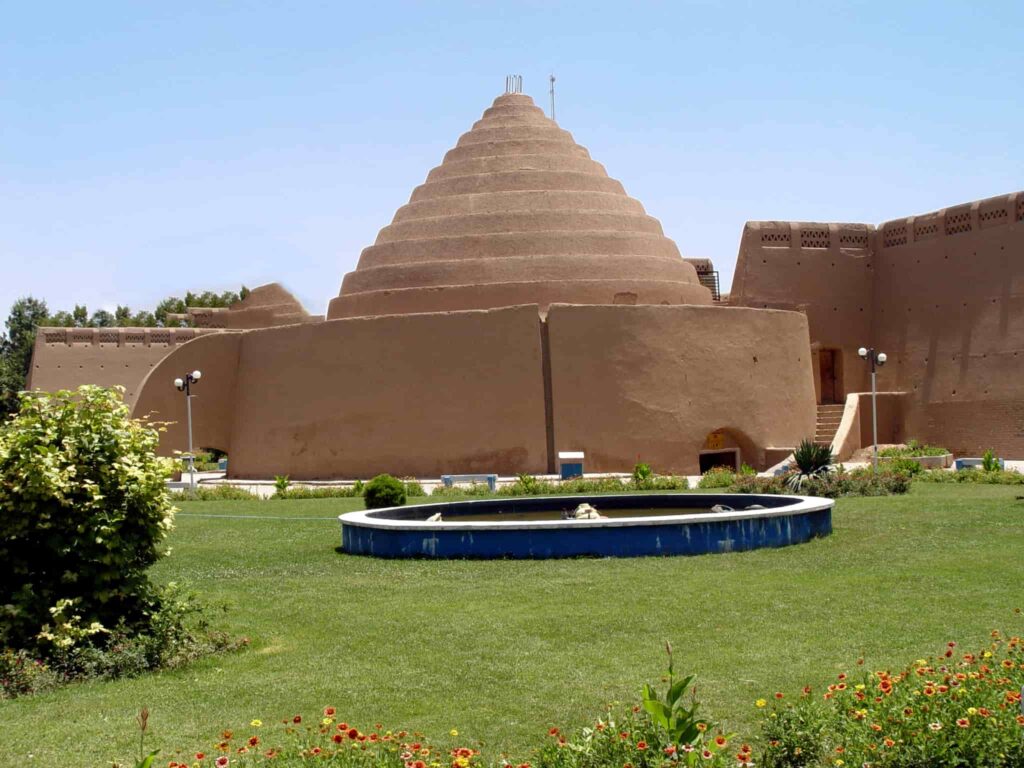
Moayedi Ice House (Moayedi Yakhdan) | An Ancient Desert Cooling System
Moayedi Ice House, also known as Moayedi Yakhdan, is one of the most interesting historical structures in Kerman. This traditional ice house was built to produce and store ice during the cold months and provide ice for the people of Kerman during the hot summer season.
The structure is designed with traditional Persian architectural techniques to maintain low temperatures naturally. Its large conical dome, thick walls, and special design helped reduce heat absorption and keep the stored ice frozen for long periods.
The ice house consists of a circular storage chamber covered by a large dome. The surrounding walls, built from mud bricks and clay mortar, helped protect the interior from the desert heat and temperature changes.
Visiting Moayedi Ice House offers a fascinating insight into the creativity of ancient Iranian engineers who developed sustainable solutions for living in hot and dry climates.
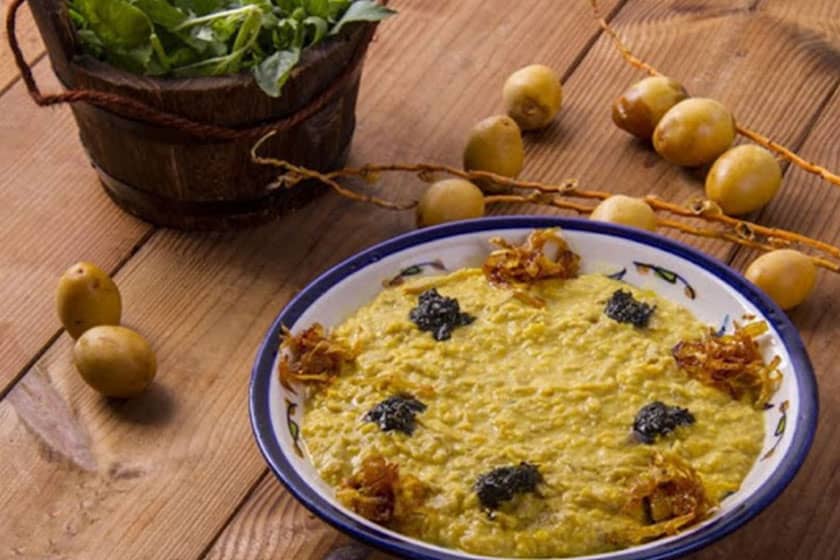
BOZ QORMEH (BOZ FRICASSEE)
Boz Qormeh is one of the most famous traditional dishes of Kerman and a must-try food for visitors who want to experience authentic Kermani cuisine.
This traditional dish is usually prepared with lamb meat, chickpeas, kashk (a fermented dairy product), and local spices. With its rich flavor and unique ingredients, Boz Qormeh represents the traditional cooking style of Kerman and is one of the city’s most beloved local foods.
Trying Boz Qormeh is a great way to discover the culinary heritage of Kerman and enjoy one of the region’s most authentic flavors.
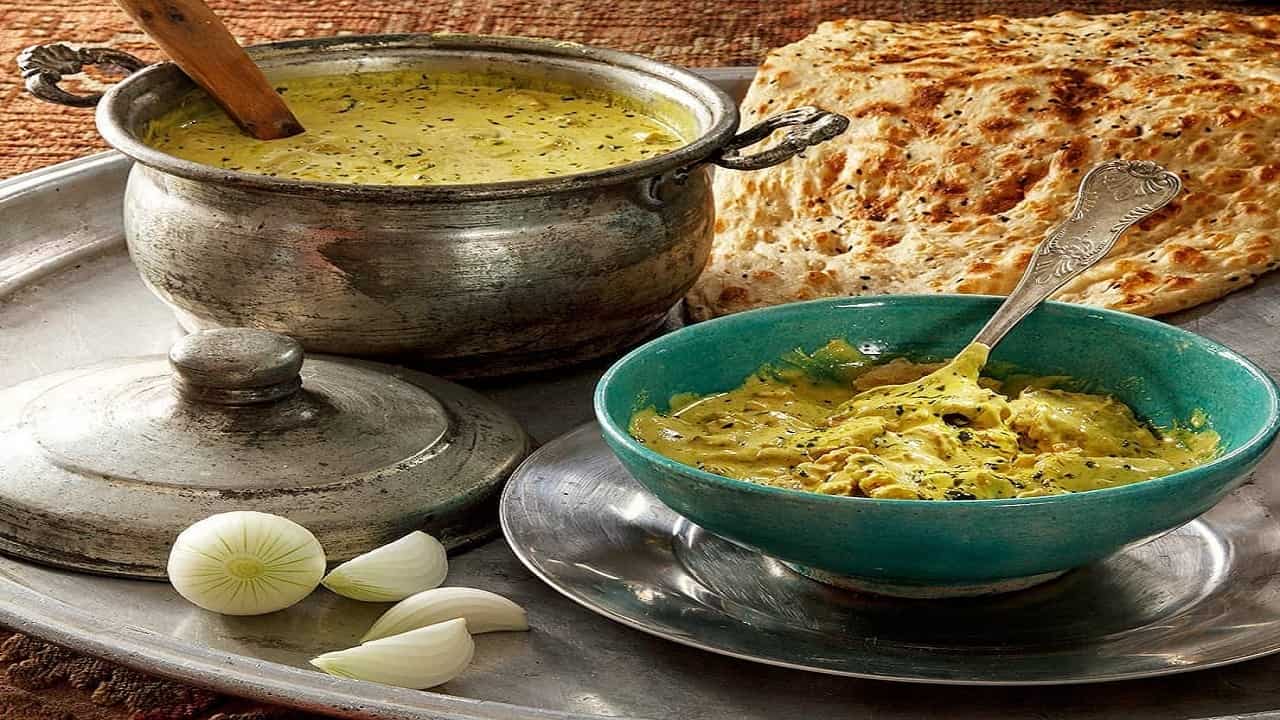
Kale Joosh (Kerman Traditional Stew)
Kale Joosh is one of the traditional local dishes of Kerman, known for its rich flavor and simple yet nutritious ingredients.
This traditional dish is prepared with kashk (a fermented dairy product), oil, mint, garlic, and onion, and it is usually served with walnuts and fresh bread. The combination of these ingredients creates a warm and flavorful meal that reflects the traditional cuisine of Kerman.
Kale Joosh is especially enjoyable during the colder months and offers travelers a chance to experience the authentic tastes of Kermani home cooking.
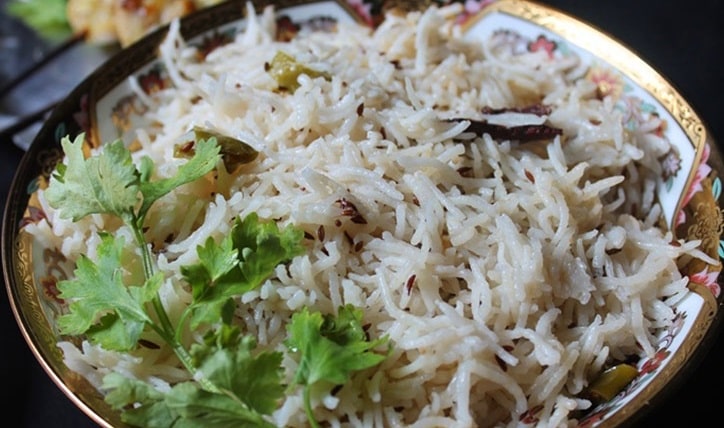
Zireh Polo (Cumin Rice)
Zireh Polo is one of the most popular and traditional rice dishes of Kerman. During your trip to Kerman, instead of ordering plain rice, trying this aromatic local dish is a great way to experience the region’s authentic flavors.
The main ingredients of Zireh Polo are rice, cumin, oil, and salt. The unique aroma and taste of cumin give this dish a special character, and it is often served alongside traditional stews and other Persian dishes.
With its simple ingredients and distinctive flavor, Zireh Polo represents the rich culinary traditions of Kerman and is a favorite choice among locals and visitors.
Beverages and Cafés in Kerman
Kerman has many cafés and traditional tea houses where visitors can relax, enjoy local drinks, and experience the city’s welcoming atmosphere.
Traditional tea houses and modern cafés are popular places to take a break after exploring the historical attractions of Kerman. Visitors can enjoy Persian tea, traditional beverages, and a variety of drinks in cozy environments.
Some popular cafés and tea houses in Kerman include Vakil Tea House, Wheelie Café, Shilan Café, Honar Café, Versay Café, and Piano Café.
Where to Eat in Kerman?
Kerman offers a variety of restaurants and traditional dining places where visitors can enjoy authentic Kermani cuisine and Persian dishes. For travelers who want to experience local flavors, traditional restaurants are the best choice to try dishes such as Boz Qormeh, Kale Joosh, and other regional specialties.
Some recommended places to eat in Kerman include:
Vakil Traditional Restaurant
Located in a historic atmosphere, Vakil Restaurant is a popular choice for travelers who want to enjoy traditional Persian dishes in a unique setting.
Max Restaurant
Max Restaurant is one of the well-known restaurants in Kerman, offering a variety of Persian and local dishes in a comfortable environment.
Sayyah Restaurant
Sayyah Restaurant is another popular dining place in Kerman where visitors can enjoy traditional Iranian food.
For the best food experience in Kerman, try local dishes in traditional restaurants and combine your meal with a visit to the historic atmosphere of the old city and traditional bazaars.
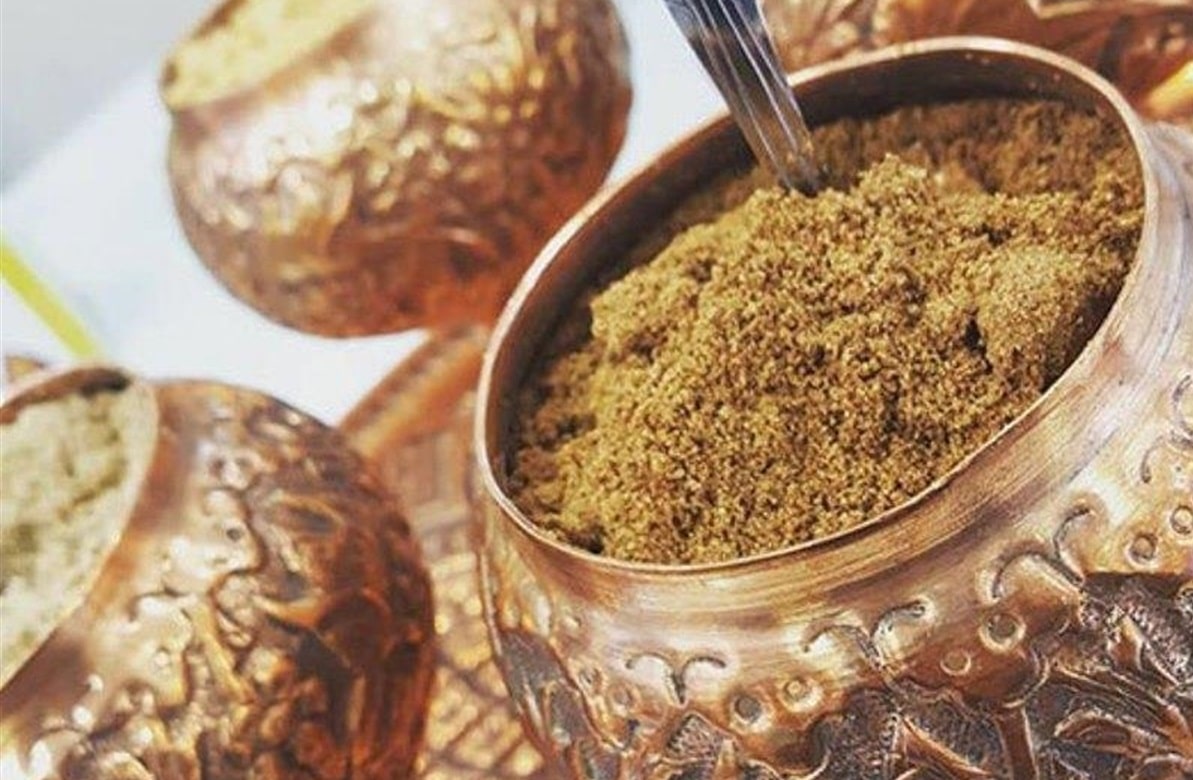
Qovatu (Qaout)
Qovatu, also known as Qaout, is one of the most popular traditional souvenirs from Kerman. This nutritious powder is made from a mixture of roasted seeds, nuts, spices, and other natural ingredients, with different varieties offering unique flavors.
In Kerman, you can find different types of Qovatu, including pistachio and almond Qovatu. It is traditionally enjoyed as a local treat and is valued for its rich taste and nutritional benefits.
Visitors can buy authentic Qovatu from traditional shops, Kerman Bazaar, and local spice shops, where they can discover a variety of this famous Kermani product.
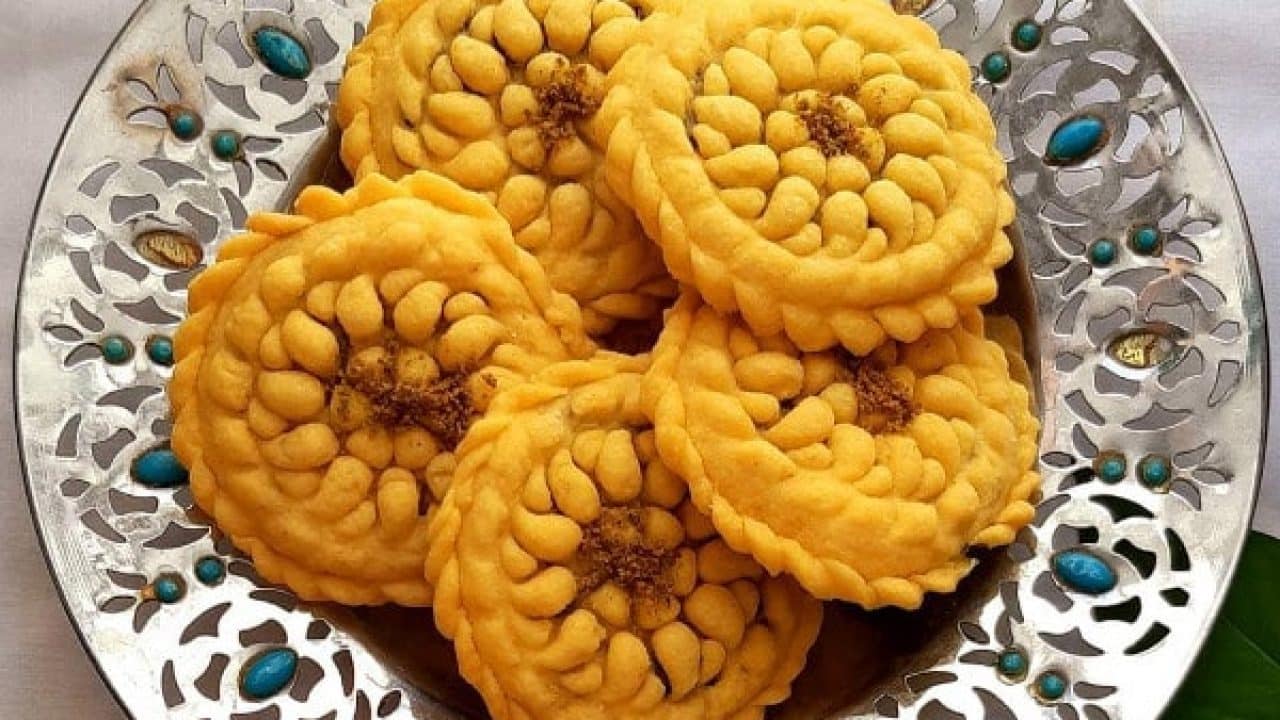
Kolompeh Kerman (Kerman Date Cookie)
Kolompeh is one of the most famous and delicious traditional sweets of Kerman. This local pastry has a unique flower-like shape and is usually filled with dates, walnuts, and aromatic spices.
With its soft texture and rich flavor, Kolompeh represents the traditional sweets of Kerman and is a popular souvenir among visitors. Many travelers buy it as a gift to share the authentic taste of Kerman with their family and friends.
You can find fresh Kolompeh in traditional sweet shops and confectioneries throughout Kerman. Local bakeries offer different varieties of this famous Kermani sweet, making it one of the best souvenirs to take home.
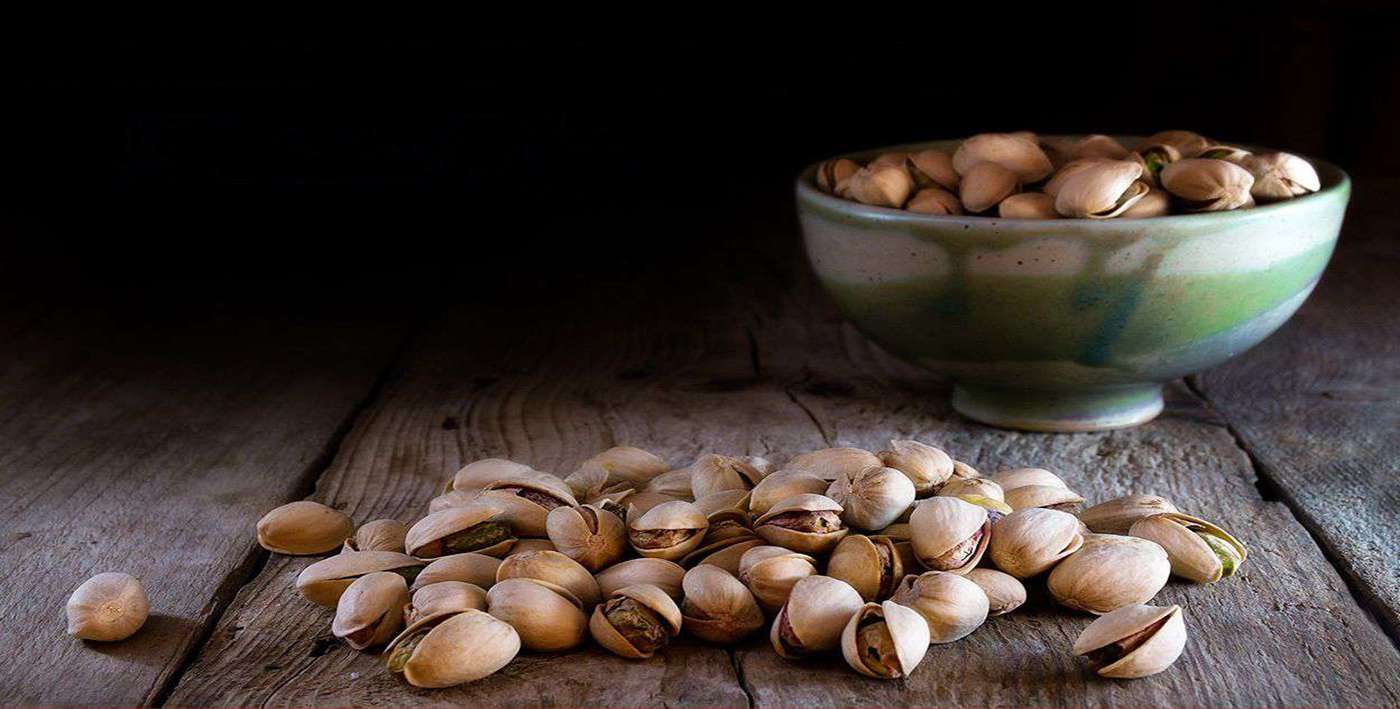
Pistachio | A Famous Kerman Souvenir
Pistachio is one of the most important agricultural products of Iran and one of the most popular souvenirs from Kerman. Kerman Province is one of the main pistachio-growing regions in the country, with pistachio orchards spread across different areas.
Among the cities of Kerman Province, Rafsanjan is especially famous for its high-quality pistachios and is considered one of the most important pistachio-producing regions in Iran.
Fresh pistachios, which are available in early autumn, are a special treat for visitors. Buying Kerman pistachios is a great way to take home a taste of the region’s agricultural heritage.
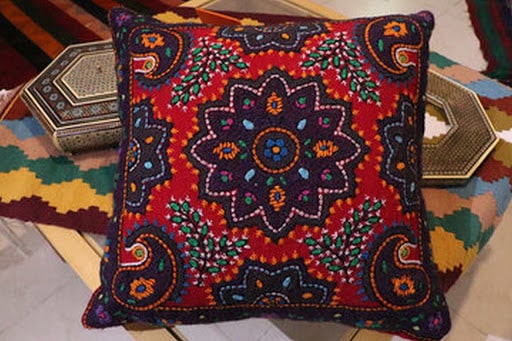
Pateh (Kerman Traditional Embroidery)
Pateh is one of the most beautiful and valuable traditional handicrafts of Kerman. This delicate embroidery is traditionally created by Kermani women using colorful threads on wool or fabric to produce elegant floral and artistic designs.
The patterns of Pateh often include flowers, leaves, and traditional Persian motifs, reflecting the creativity and artistic heritage of the people of Kerman. This handmade craft is used to decorate items such as prayer rugs, curtains, Quran covers, and other decorative pieces.
Because Pateh is completely handmade and requires great skill and patience, it is considered one of the most special and valuable souvenirs of Kerman. Buying Pateh is a meaningful way to take a piece of Kermani art and culture home.
Copper Dishes and Handicrafts (Mes Dishes)
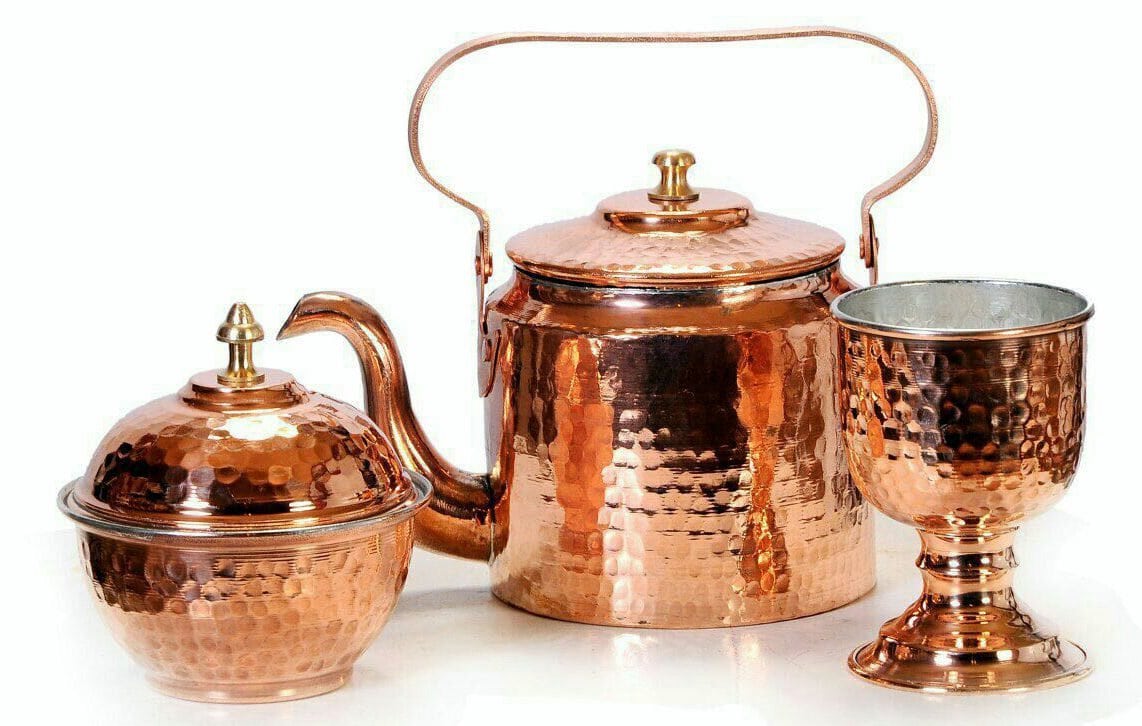
Copper handicrafts are among the traditional souvenirs of Kerman, reflecting the long history of metalworking in this region. Visitors can find a variety of handmade copper dishes and decorative items, including trays, bowls, pots, and artistic pieces.
One of the best places to experience this traditional craft is Ganj Ali Khan Bazaar in the old city of Kerman. Walking through the copper market, visitors can hear the rhythmic sound of craftsmen shaping copper by hand, creating a unique and memorable atmosphere.
Buying copper dishes from Kerman is a great way to take home a practical and artistic souvenir that represents the craftsmanship and cultural heritage of the city.