
Qeshm Travel Guide | All about Qeshm
Welcome to Qeshm
“Plan Your Holiday to Qeshm with Our Travel Guide”
Qeshm Travel Guide | All about Qeshm
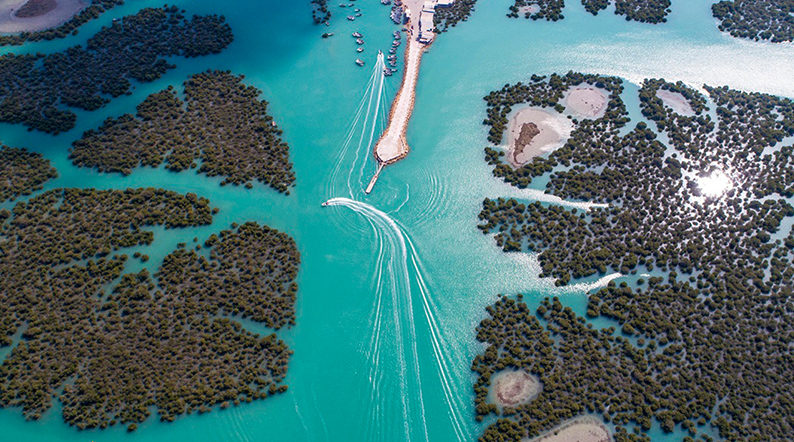
Qeshm Island is the largest island in the Persian Gulf and one of the most extraordinary destinations in southern Iran. Sitting beside the Strait of Hormuz, Qeshm is a place where dramatic landscapes, turquoise waters, ancient traditions, and everyday island life come together.
What makes Qeshm special is the feeling that you are discovering a different side of Iran. Instead of grand palaces and historic city squares, you will find wind-shaped valleys, rugged coastlines, mangrove forests, quiet villages, colorful boats, and landscapes that seem almost otherworldly.
Spend the morning exploring the island’s spectacular natural scenery, watch local fishermen return from the sea, take a boat through the Hara Mangrove Forests, or simply stand beside the Persian Gulf and watch the changing colors of the water and sky. Qeshm is a destination that invites you to slow down and experience rather than simply sightseeing.
The island is also surrounded by smaller islands such as Hengam and Larak, making it an excellent base for discovering more of the unique landscapes and marine life of the Strait of Hormuz.
Whether you are traveling to Iran for nature, adventure, photography, wildlife, local culture, or an unforgettable escape, Qeshm offers experiences that are difficult to find anywhere else.
In this Qeshm Travel Guide, we will take you through the best places to visit, things to do, local food to try, the best time to travel, where to stay, and the experiences that can make your journey to Qeshm truly memorable.
Qeshm is not just an island to visit—it is a place to discover slowly, with all your senses.
Seasons and Weather in Qeshm
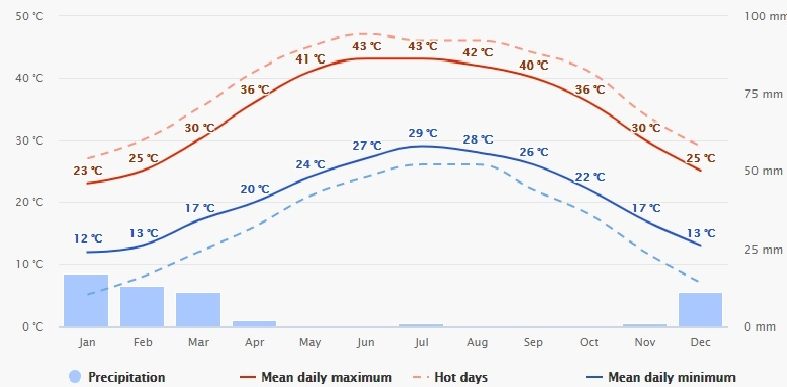
Qeshm has a hot and humid climate, with long, hot summers and much milder winters. Because many of the island’s most spectacular attractions are outdoors—from dramatic valleys and rocky coastlines to mangrove forests and traditional villages—the weather can make a big difference to your experience.
For most travelers, autumn, winter, and early spring are the most comfortable times to visit Qeshm. The temperatures are generally much more pleasant for exploring the island, hiking through its natural landscapes, visiting villages, and spending time along the coast.
Autumn and Winter in Qeshm
Autumn and winter are among the best seasons to explore Qeshm. As the intense summer heat fades, the island becomes much more comfortable for sightseeing and outdoor activities.
The cooler weather is ideal for exploring places such as Chahkooh Canyon, Stars Valley, the Hara Mangrove Forests, and the island’s spectacular coastline without having to deal with extreme heat.
The Persian Gulf can feel cooler during these months, particularly for swimming, but the mild winter weather makes Qeshm especially enjoyable for exploring the island by land and sea. Early mornings can also be a wonderful time to take a boat trip, when the sea is often calm and the light is beautiful.
Another advantage of traveling during the cooler months is that Qeshm can feel more relaxed than during the busiest holiday periods. You can take your time, enjoy the landscapes, and experience the island at a slower pace.
Spring and Summer in Qeshm
Spring gradually becomes warmer, and by late spring and summer, Qeshm can be very hot and humid. Exploring large outdoor attractions in the middle of the day can therefore be tiring, especially during the hottest months.
If you visit Qeshm during summer, plan your outdoor sightseeing for early morning or late afternoon, and leave the hottest part of the day for indoor activities, shopping, relaxing, or enjoying your accommodation.
Summer can still appeal to travelers who enjoy the sea and want to experience Qeshm during a quieter period, but the heat should be taken seriously. If your main goal is to explore the island’s natural attractions comfortably, the cooler months are a better choice.
For wildlife lovers, late spring can be an interesting time to look for marine wildlife, but sightings in the wild are never guaranteed and depend on weather, season, and local conditions.
When Is the Best Time to Visit Qeshm?
If you want to explore Qeshm’s natural wonders comfortably, October to April is generally the best period to visit. The cooler weather makes long days of sightseeing much more enjoyable, while the island’s landscapes and coastline are at their most inviting.
If you prefer fewer crowds and do not mind the heat, summer can offer a different experience—but be prepared for high temperatures and plan your outdoor activities carefully.
For the best balance of pleasant weather, outdoor adventures, and the full Qeshm experience, winter is one of our favorite times to visit.
Climate in Qeshm
Festivals and Events in Qeshm
One of the most rewarding parts of traveling to Qeshm is discovering the island’s living culture. Life here has been shaped for generations by the Persian Gulf, and the sea is deeply woven into the traditions, work, celebrations, and everyday life of local communities.
Fishing, seafaring, boatbuilding, and trade have traditionally played an important role in the lives of people in southern Iran. As a result, many local customs and celebrations are closely connected to the sea and the beginning of the fishing season.
Among the island’s traditional celebrations, Nowruz-e Sayad offers a fascinating glimpse into this centuries-old relationship between the people of Qeshm and the Persian Gulf.
Nowruz-e Sayad (Fishermen’s New Year)
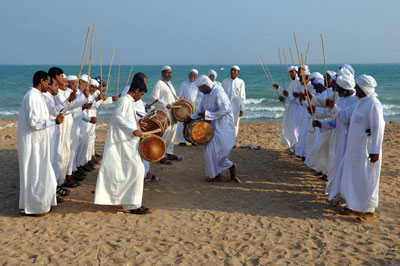
Nowruz-e Sayad, often described as the fishermen’s New Year, is a traditional celebration associated with the beginning of the new fishing season in the coastal communities of southern Iran. The ceremony reflects the respect and gratitude that local communities have traditionally held for the sea and its importance to their lives.
Traditionally, fishermen do not go fishing on the day of the celebration. Instead, families and local communities gather to welcome the new fishing season. People may wear traditional clothing, enjoy local music and dancing, and take part in traditional games and community activities.
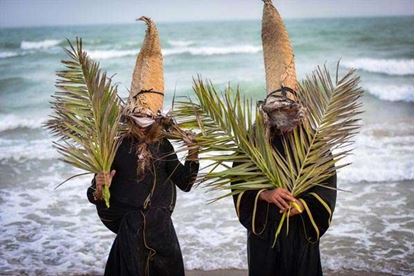
Decorating doors and palm trees is also associated with the celebration in some communities, symbolizing the beginning of a new season and hopes for prosperity and good fortune.
For a traveler, experiencing Nowruz-e Sayad is about much more than watching a festival. It is an opportunity to see a side of Qeshm that cannot be found in a typical sightseeing itinerary—the traditions of communities whose lives have been connected to the sea for generations.
If your visit coincides with the celebration, experience it respectfully, take time to observe the local customs, and let the music, colors, and stories of the island introduce you to a different side of Iran.
Palm and Date Celebration in Qeshm
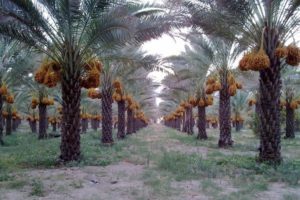
The culture of Qeshm is closely connected to the sea, but the island’s date palms are an equally important part of traditional life. Palm groves have long been part of the landscape and livelihood of communities across southern Iran, and local celebrations around the date harvest offer visitors a chance to experience this side of island life.
The Palm and Date Celebration is a traditional cultural event associated with the harvest of dates. During the celebration, local growers showcase and sell their fresh dates and a variety of traditional products made from dates.
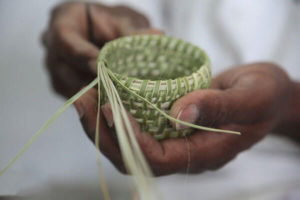
The event can also feature handicrafts made from palm leaves and other parts of the palm tree, including woven baskets and traditional household items. These crafts reflect the resourcefulness of local communities and the important role that the date palm has played in everyday life.
Alongside the agricultural products and handicrafts, visitors can experience elements of local culture through traditional music, games, and community activities. The atmosphere provides a more personal glimpse into Qeshm beyond its famous natural attractions.
For travelers interested in local culture, traditional crafts, and authentic island experiences, a date-harvest celebration can be a wonderful way to meet the people of Qeshm and discover traditions that have been passed from one generation to the next.
Tip: If you are planning your trip around this event, check the local schedule before traveling, as the timing and program can vary from year to year.
Shrimp Festival in Qeshm
The Shrimp Festival is another local event that reflects the close relationship between the people of Qeshm and the Persian Gulf. Like other traditional celebrations connected to fishing, it is associated with gratitude for the sea and the livelihood it provides.
The festival is held toward the end of the shrimp-fishing season and brings together local communities for a day of celebration and cultural activities. Visitors may find handicraft exhibitions, traditional music, local games, competitions, and other community programs taking place as part of the event.
The atmosphere is a wonderful opportunity to experience Qeshm beyond its landscapes and tourist attractions. Instead of simply observing the island as a visitor, you get a glimpse into the traditions and livelihoods that have shaped the identity of its coastal communities.
For travelers interested in local culture, seafood traditions, and authentic experiences in Qeshm, the Shrimp Festival can be an interesting addition to their journey.
Travel tip: The exact date and program can vary, so if you would like to attend the festival, check the local schedule before planning your visit.
Eating & Drinking in Qeshm | Best Restaurants in Qeshm
Food is one of the best ways to discover the character of Qeshm. The island’s cuisine has been shaped by its location beside the Persian Gulf, its fishing traditions, and centuries of cultural exchange with the southern coast of Iran.
Fresh fish and seafood are at the heart of many local dishes, often combined with aromatic herbs, spices, and flavors that are distinctly southern Iranian. Depending on the season and the restaurant, you may find grilled or fried fish, shrimp, squid, and other seafood prepared in traditional local styles.
But eating in Qeshm is about more than simply trying a new dish. Sitting down to a meal made with local ingredients, tasting the flavors of the south, and discovering the food traditions of island communities can become one of the most memorable parts of your trip.
If you want to experience the authentic taste of Qeshm, look beyond familiar international dishes and give the local seafood a chance.
Best Restaurants in Qeshm
Below, we introduce some of the restaurants in Qeshm where you can enjoy seafood, Persian cuisine, and local flavors. We have selected a range of options to help you find a place that suits your travel style, whether you are looking for traditional food, fresh seafood, or a relaxed meal after exploring the island.
Khaleh Traditional Restaurant
If you want to experience the authentic, home-style flavors of Qeshm, Khaleh Traditional Restaurant is a place worth trying. The restaurant is known for its local southern Iranian cuisine and seafood, prepared in a simple and traditional style.
Because the restaurant is associated with a native Qeshm chef, it offers travelers an opportunity to taste dishes that feel much closer to local island cooking than a typical tourist restaurant.
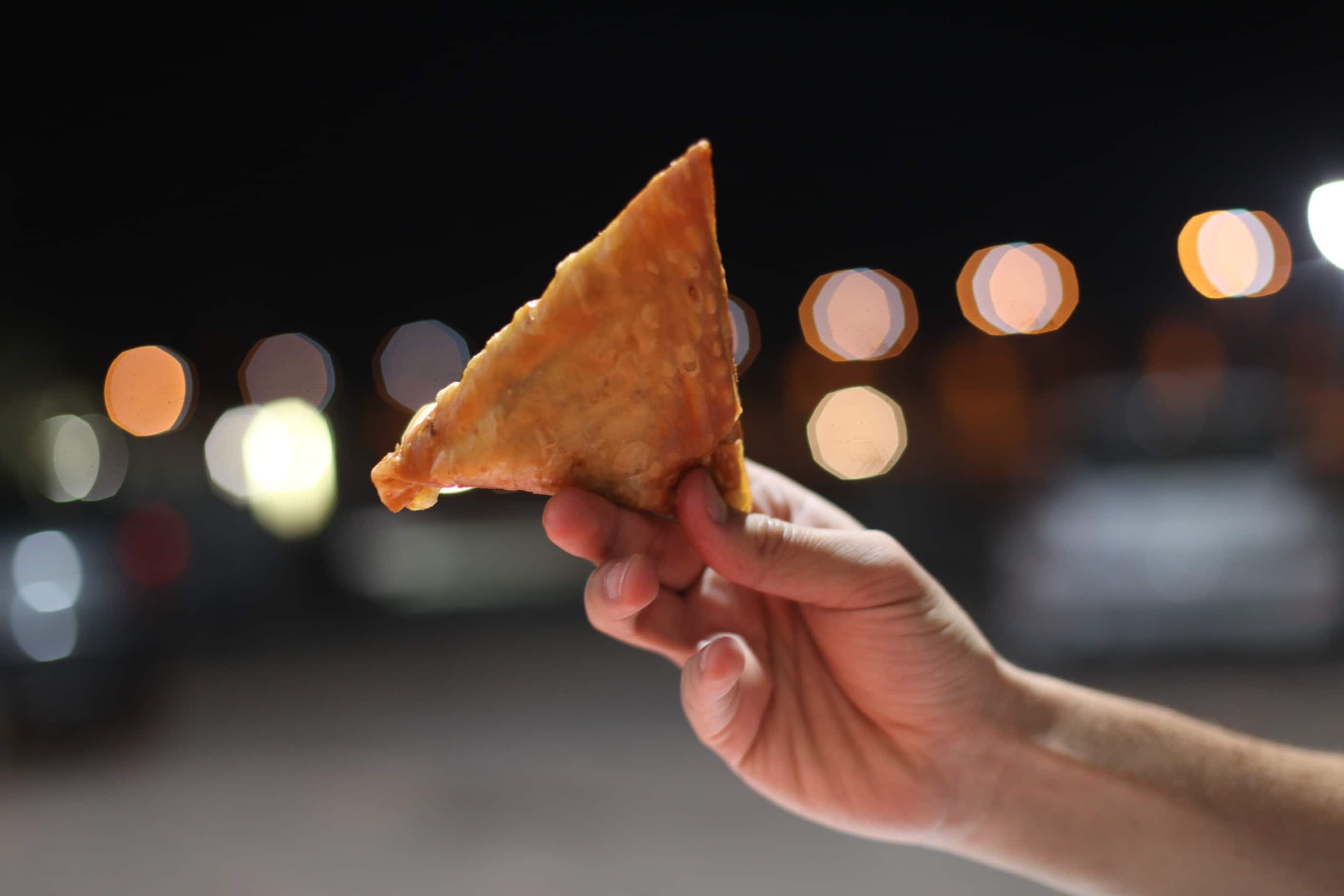
Popular choices include falafel, samosas, shark, squid, and seafood combinations, including dishes that combine shark and shrimp. These flavors may be quite different from the food you normally find in other parts of Iran, which is exactly what makes eating here part of the Qeshm experience.
The restaurant has a casual, local atmosphere rather than a luxurious setting. It is the kind of place to visit when your priority is discovering the traditional tastes of the island and enjoying a simple meal like a local.
Khaleh Traditional Restaurant is located in Qeshm and is generally open in the evening, although opening hours can change. It is a good idea to check the current hours before heading there.
Tip: If you are curious about southern Iranian cuisine, try one of the local seafood dishes rather than sticking only to familiar options. It may become one of the most memorable flavors of your time in Qeshm.
Naeem Restaurant
If you are craving fresh seafood and shrimp in Qeshm, Naeem Restaurant is one of the established restaurants to consider in Qeshm city. Located around Imam Gholi Khan Square, it offers a broad menu that combines seafood with familiar Persian dishes.
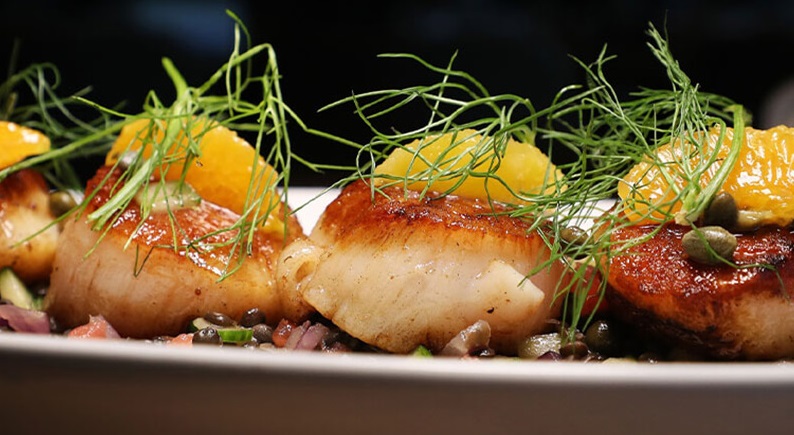
Seafood lovers can try dishes such as shrimp and grilled fish, while the menu also includes Persian favorites such as kebabs and chicken dishes. One of the restaurant’s specialties mentioned in current listings is its fish stew, making it an option for travelers who want to explore different flavors while still having plenty of familiar choices.
The restaurant has a casual, welcoming atmosphere and is suitable for both lunch and dinner. Its central location also makes it convenient to combine a meal here with exploring Qeshm city and its shopping areas.
Address: Imam Gholi Khan Square, Qeshm, Hormozgan, Iran
Tip: If seafood is the reason you are visiting Naeem, shrimp and grilled fish are natural choices. As menus and opening hours can change, it is best to check the restaurant’s current availability before visiting.
More Places to Eat in Qeshm
In addition to the restaurants mentioned above, you may come across other local dining options in Qeshm, including Haj Ghafoor, Abshar Restaurant, Alvand Restaurant, and local shawarma and fast-food spots.
These smaller and more casual places can be a good choice if you want to experience the everyday food scene of Qeshm rather than looking only for formal restaurants. As local businesses can change their opening hours or operations, we recommend checking their current status before visiting.
Qeshm Local Food | Top 10 Foods to Try in Qeshm
One of the best ways to understand Qeshm is through its food. Qeshm local cuisine reflects the island’s close relationship with the Persian Gulf, with fresh seafood, aromatic herbs, and flavorful southern spices playing an important role in traditional cooking.
From freshly caught fish and shrimp to spicy local stews and traditional dishes, the food of Qeshm has a distinctive character that sets it apart from the cuisine of northern and central Iran.
If you enjoy seafood and are curious about authentic southern Iranian flavors, trying the local food of Qeshm should be an essential part of your trip.
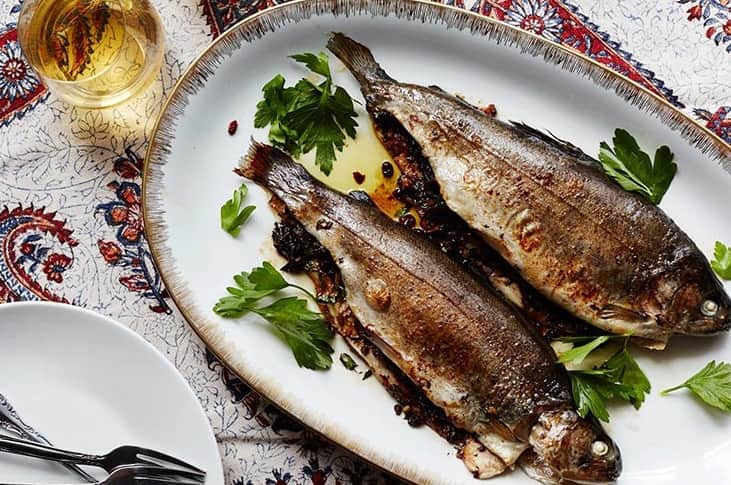
Mahi Bereshteh
Mahi Bereshteh, a traditional stuffed fish dish, is one of the local seafood dishes associated with southern Iran and Qeshm. A whole fish is prepared and filled with a flavorful mixture of fresh herbs, onions, spices, and green peppers, then cooked until the fish is tender and aromatic.
The combination of fresh fish with herbs and southern spices gives the dish a distinctive flavor that feels completely different from the seafood dishes you may find elsewhere in Iran.
For seafood lovers, Mahi Bereshteh is a delicious way to experience the traditional flavors of Qeshm and discover how local cooks turn the fresh catch of the Persian Gulf into a memorable meal.
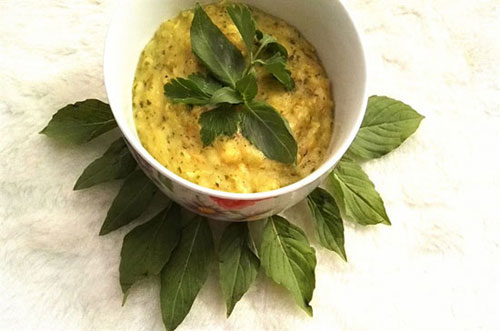
Kolumba (Fish Halim)
Kolumba, sometimes described as a southern Iranian fish-based dish similar in texture to halim, is one of the traditional foods associated with Qeshm and the Hormozgan region.
The dish is traditionally prepared with fish, wheat, dill, and coriander, creating a hearty combination of seafood, grains, and fresh herbs. The wheat gives Kolumba its distinctive texture, while the fish and aromatic herbs add the flavors of southern Iran.
Unlike many seafood dishes that are grilled or fried, Kolumba offers a completely different way to enjoy fish. It is comforting, filling, and deeply connected to the traditional home cooking of southern Iran.
If you want to go beyond the usual grilled fish and discover the authentic side of Qeshm local food, Kolumba is definitely worth trying.
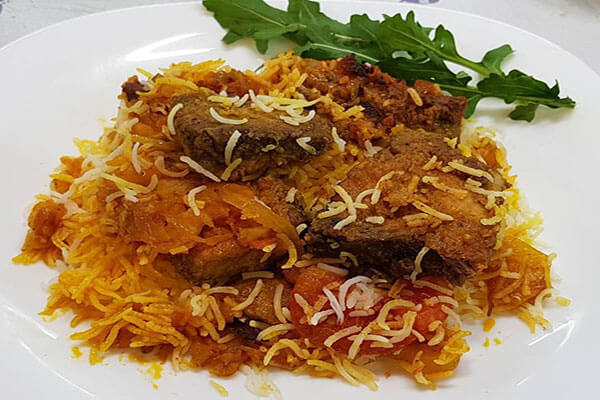
Zeibuni
Zeibuni is a traditional and distinctive dish associated with the local cuisine of Qeshm. It is especially connected with special occasions and celebrations, including weddings and family gatherings, making it more than just an everyday meal.
The dish combines fish, shrimp, chicken, and fragrant coriander, creating a rich mixture of seafood, meat, herbs, and southern flavors. The combination may sound unusual at first, but it reflects the creativity and culinary traditions of the communities living along the Persian Gulf.
Because Zeibuni is often prepared for important gatherings, tasting it can offer visitors a deeper connection to the food culture and hospitality of Qeshm.
If you want to experience Qeshm beyond its beaches and natural attractions, trying traditional dishes such as Zeibuni is a delicious way to discover the island through its flavors and local traditions.
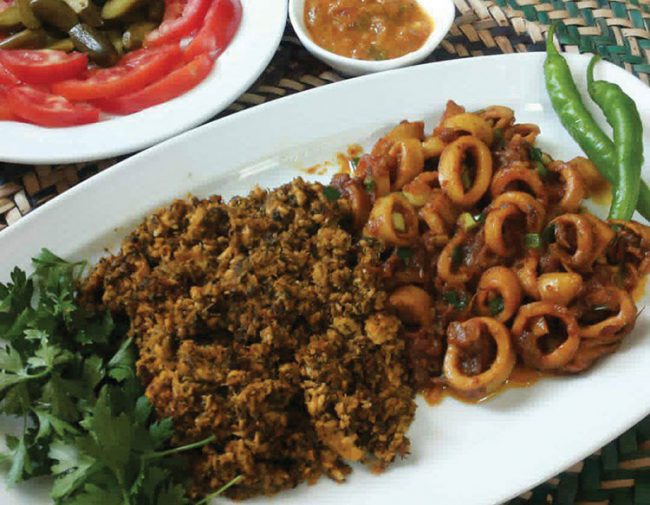
Poodini Kooseh, the Traditional Shark Dish
Poodini Kooseh is a traditional seafood dish from southern Iran and one of the distinctive foods you may encounter when exploring Qeshm local cuisine. The dish is prepared with shark meat and has a rich, savory flavor shaped by the spices and ingredients commonly used in southern Iranian cooking.
To prepare Poodini Kooseh, the shark meat is first cooked with salt and turmeric. It is then shredded and cooked with sautéed onion, coriander, dill, tomato sauce, and dried lime powder, which adds a pleasantly tangy flavor to the dish.
The combination of tender shredded shark, aromatic herbs, spices, and dried lime creates a flavor that is quite different from the grilled fish dishes commonly found along the coast.
For adventurous food lovers, Poodini Kooseh is one of the most interesting traditional dishes to try in Qeshm. It offers a taste of the island’s fishing heritage and the creative ways local cooks have traditionally prepared the catch of the Persian Gulf.
Qeshm Souvenirs and Handicrafts: What to Buy in Qeshm
A trip to Qeshm does not have to end when you leave the island. One of the nicest ways to keep a little piece of the journey with you is to bring home something that carries the flavors, colors, and traditions of southern Iran.
Qeshm offers a wonderful variety of souvenirs, from local foods and aromatic spices to handmade crafts inspired by island life. Many of these products are closely connected to the natural resources, culture, and everyday traditions of local communities.
Whether you are looking for something delicious to share with family and friends or a handmade keepsake that reminds you of the Persian Gulf, shopping in Qeshm can be part of the travel experience itself.
Food Souvenirs
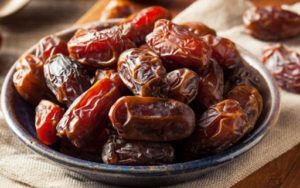
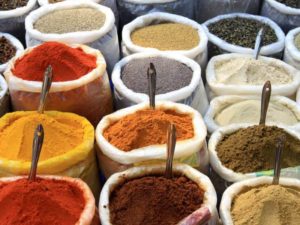
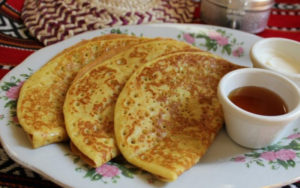
If you love discovering local flavors, Qeshm has plenty of edible souvenirs to take home. Among the popular choices are traditional local breads, aromatic southern spices, dates, Heller cake, and southern-style Masghati.
Dates are especially associated with the palm-growing traditions of southern Iran, while local spices can bring the distinctive flavors of Qeshm’s cuisine into your own kitchen.
Heller cake, a traditional sponge cake associated with the village of Heller on Qeshm Island, is another popular sweet treat to look for. Southern Masghati, a soft and delicate sweet, is also a lovely choice if you want something distinctly local.
These food souvenirs are more than simple gifts—they are a delicious way to take a taste of Qeshm home with you and share a little of the island’s culture after your journey has ended.
Marine Handicrafts
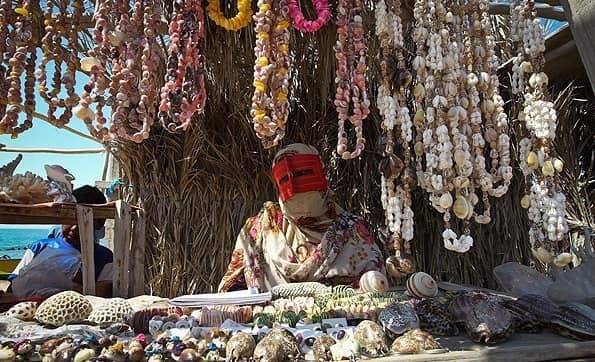
Qeshm’s connection with the Persian Gulf can also be seen in its marine-inspired handicrafts. Local artisans create a variety of small ornaments, jewelry, and decorative pieces inspired by the sea and island life.
In local markets, you may find handmade items made from shells, sea stones, and other legally sourced materials, often transformed into simple keepsakes that reflect the colors and character of the Persian Gulf.
These crafts can make meaningful souvenirs for travelers who want to take home something more personal than a typical tourist gift—a small reminder of the sea, island landscapes, and traditional creativity of Qeshm.
Travel responsibly: When buying marine souvenirs, avoid products made from protected wildlife, live corals, or illegally collected shells. Choosing responsibly sourced handicrafts helps protect the marine environment that makes Qeshm so special.
Wicker Crafts
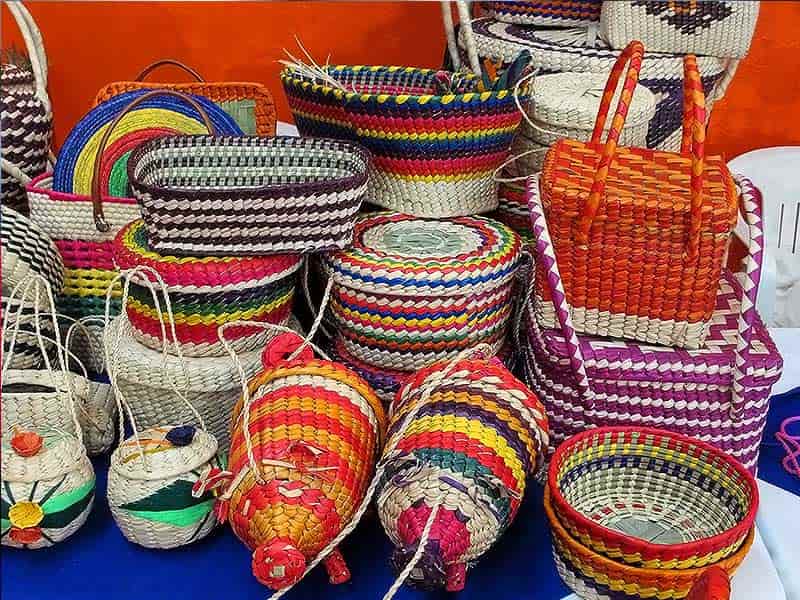
Wicker crafts, traditionally made from palm leaves, are among the most recognizable handicrafts of southern Iran and Hormozgan Province. With date palms deeply rooted in the landscape and traditional life of Qeshm, palm leaves have long been used by local artisans to create practical and decorative objects.
You can find beautifully woven mats, large round trays, fruit bowls, vegetable baskets, containers, and other household items made from palm leaves. Many pieces combine simple natural materials with traditional weaving techniques passed down through generations.
Buying a piece of Qeshm’s palm-leaf handicraft is a lovely way to take home something genuinely connected to the island. These handmade objects are not only souvenirs—they are a small reflection of Qeshm’s natural environment, local craftsmanship, and everyday culture.
Traditional Clothing and Fabrics of Qeshm Island
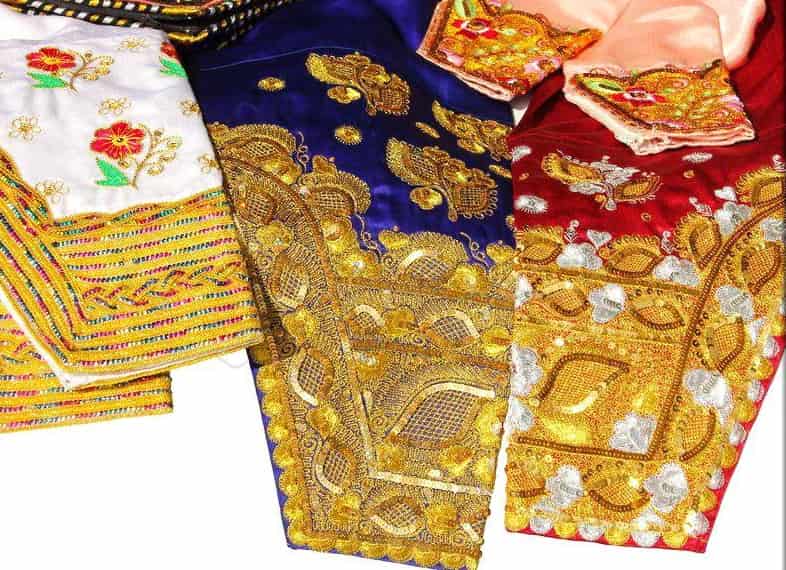
The traditional clothing of Qeshm reflects the island’s rich cultural heritage and the artistic skills of local women. Traditional garments are often decorated with delicate embroidery and textile techniques that add color, detail, and character to the fabric.
Some of the traditional decorative techniques found in the region include Golabetoun Doozi, Shak-weaving, Zaribafi, and Khoos-Doozi. These forms of embroidery and textile decoration can be seen in traditional clothing and handmade fabrics, showcasing the patience and creativity of local artisans.
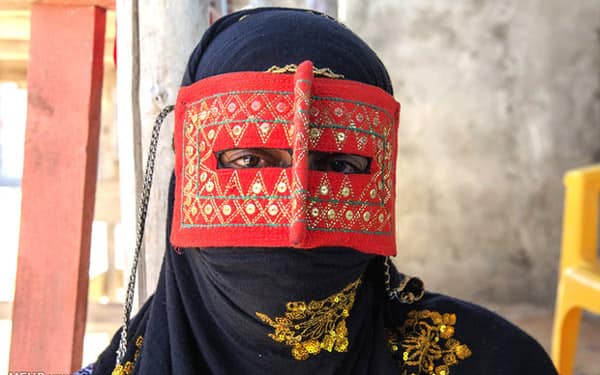
One of the most distinctive elements of traditional women’s clothing in southern Iran is the borqe, a traditional face covering found in different shapes, colors, and styles. Its appearance and use can vary between communities and reflect local traditions and identity.
For visitors interested in Qeshm handicrafts and local culture, traditionally embroidered fabrics and responsibly made textile products can make meaningful souvenirs. They offer something more personal than a mass-produced gift—a small piece of the island’s living cultural heritage to take home.
Accommodation in Qeshm
Where you stay can become part of the Qeshm experience itself. While hotels are a convenient choice, staying in a traditional eco-lodge in Qeshm can offer a more personal way to discover the island, its people, and its local culture.
Many of Qeshm’s eco-lodges combine the charm of traditional architecture with the essential comforts travelers need. Some are decorated with local handicrafts and traditional elements, creating an atmosphere that feels very different from a standard hotel.
Another highlight is the opportunity to taste home-style local food. In many eco-lodges, meals are prepared using traditional recipes and local ingredients, giving you another delicious way to experience the flavors of southern Iran.
Whether you prefer the comfort of a hotel or the authentic atmosphere of an eco-lodge, Qeshm has accommodation options for different travel styles.
Recommended Hotels and Eco-Lodges in Qeshm
Some accommodation options you can consider include:
- Irman Boutique Hotel
- Ataman Hotel
- Eram Hotel
- Golden Beach Hotel
- Fardis Ecotourism Resort
For more information, recommendations, and details about staying on the island, see our [Hotels in Qeshm]
If you are planning to explore the island as part of a complete journey, you can also see our [Qeshm Island Itinerary] for a suggested route and travel plan.
Qeshm Travel Tips for First-Time Visitors
A little preparation can make your Qeshm experience much more comfortable. Keep these practical tips in mind before you travel:
- Plan outdoor sightseeing around the weather. During hot months, early morning and late afternoon are generally more comfortable for outdoor attractions.
- Bring sun protection. Sunglasses, sunscreen, a hat, and lightweight clothing are useful, especially when visiting open landscapes.
- Carry drinking water. Some natural attractions are away from shops and services, so having water with you is a good idea.
- Allow extra time for boat trips. Sea conditions and local operating schedules can affect departure times.
- Respect local customs. Qeshm has a distinctive culture and close-knit communities. Dress respectfully and always ask before photographing local people.
- Buy souvenirs responsibly. When shopping for marine-inspired handicrafts, avoid products made from protected wildlife or illegally collected marine materials.
- Try the local food. Fresh seafood, southern spices, and traditional dishes are an important part of experiencing Qeshm.
- Do not rush the island. Some of Qeshm’s most memorable moments come from simply watching the sunset, walking through a local village, or sitting beside the Persian Gulf.
Qeshm is not an island you need to experience in a hurry. Give yourself time to explore its landscapes, meet its people, taste its food, and discover the traditions that make it different from anywhere else in Iran.